
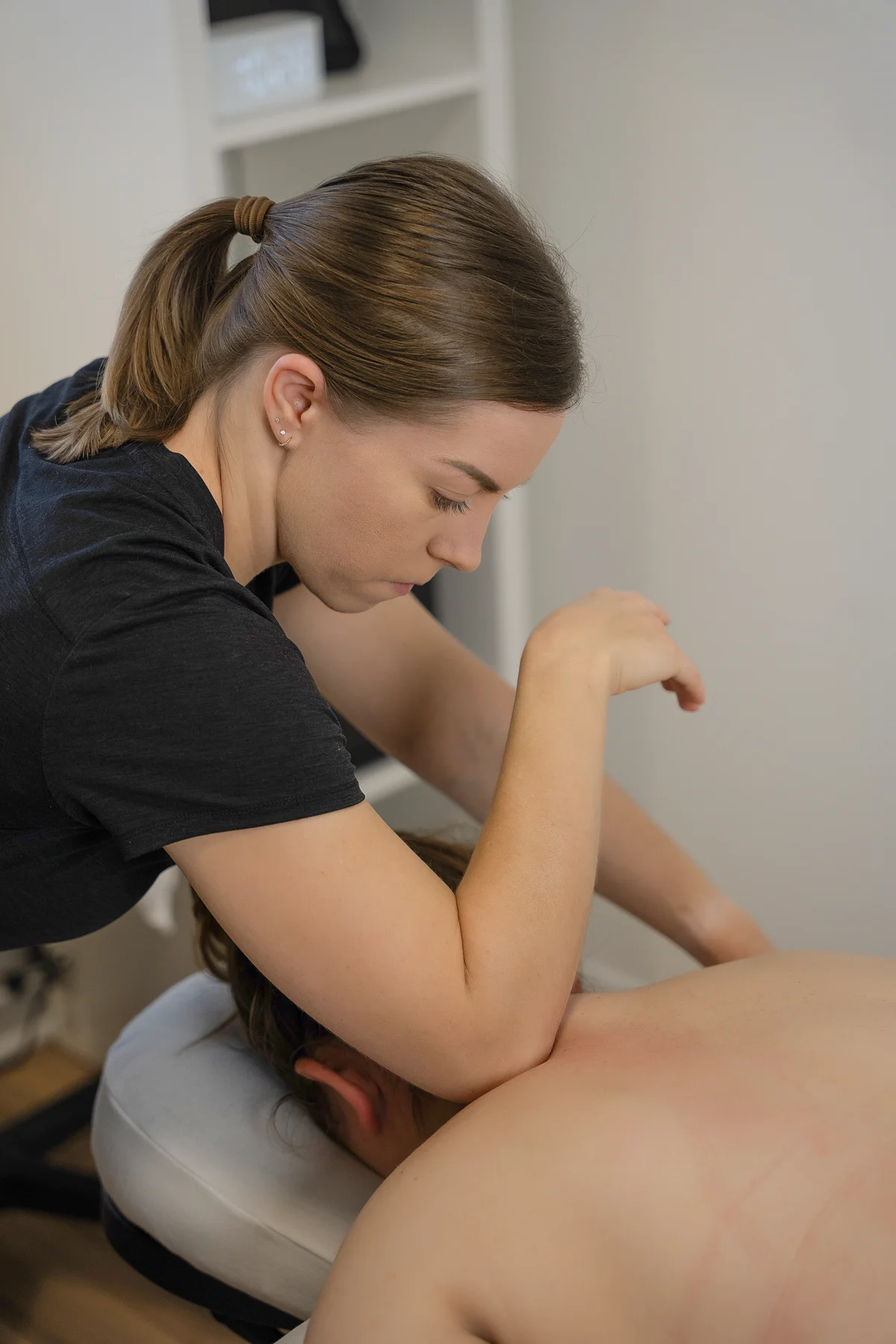
Targeted Massage for Pain & Function
For associated forearm or hand muscular discomfort, avoiding pressure that provokes nerve symptoms.
Nighttime tingling, numbness in the fingers or difficulty gripping deserve attention. Identifying whether the median nerve at the wrist is involved matters before choosing hands-on care.
Carpal tunnel syndrome occurs when the median nerve is compressed as it passes through the wrist. Symptoms commonly involve the thumb, index and middle fingers and part of the ring finger.
Symptoms may wake you at night or make small tasks and gripping difficult. Not every tingling hand has carpal tunnel syndrome; symptoms can have other explanations.
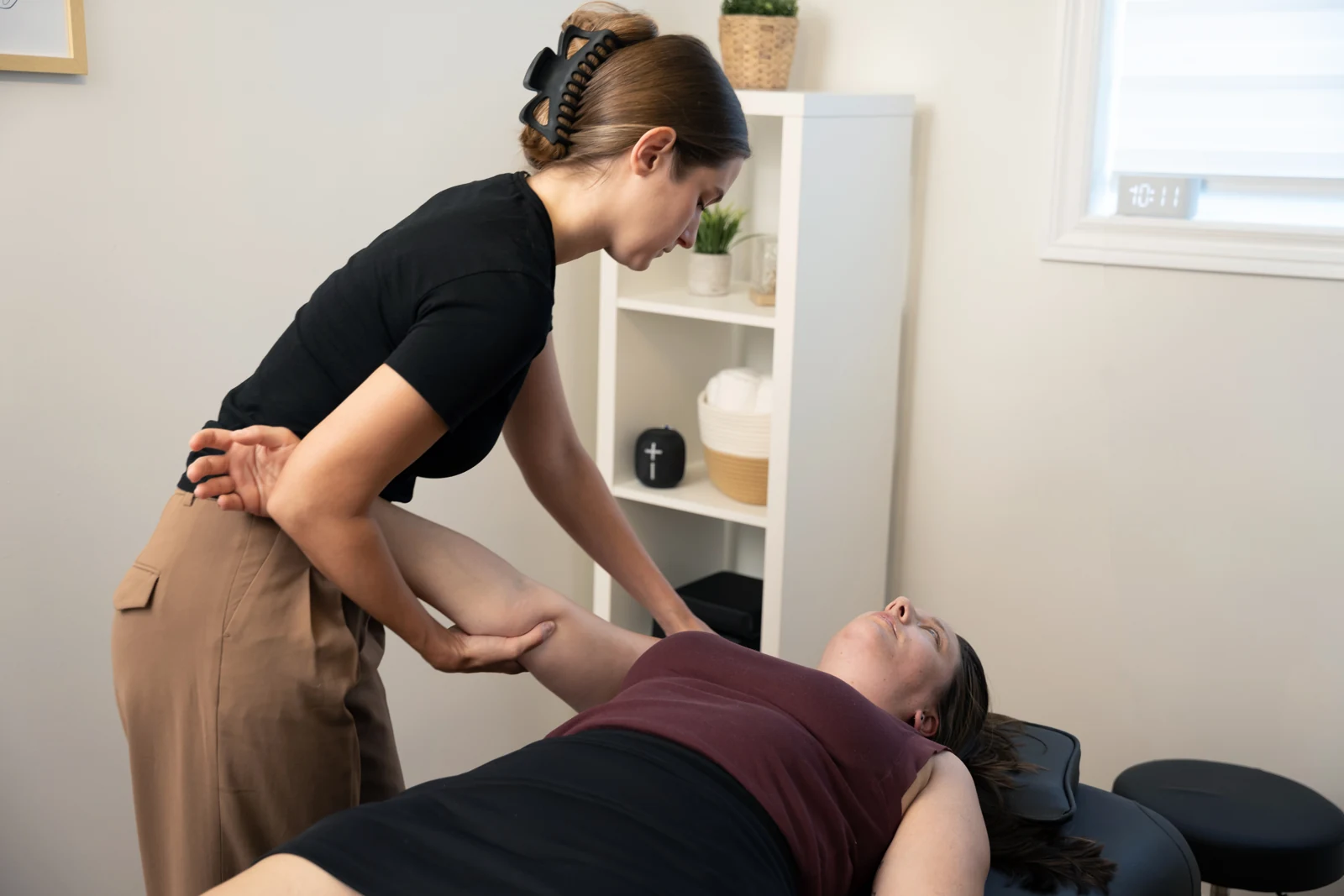
Massage and osteopathic assessment may consider associated tissue discomfort and movement restrictions. They do not replace assessment of persistent nerve symptoms or guarantee relief of the compression.
Your RMT can assess relevant muscular discomfort and movement concerns around the hand, forearm and other areas indicated by your presentation.
The treatment plan may address associated soft tissue tension and discuss activities or positions that aggravate symptoms. Pressure and techniques are adapted to avoid provoking numbness, tingling or pain.
Massage does not replace medical assessment or guarantee that nerve compression will resolve.
Care focuses on the muscular and movement concerns relevant to your symptoms. Explore the service pages for appointment details and what to expect.
For associated forearm or hand muscular discomfort, avoiding pressure that provokes nerve symptoms.
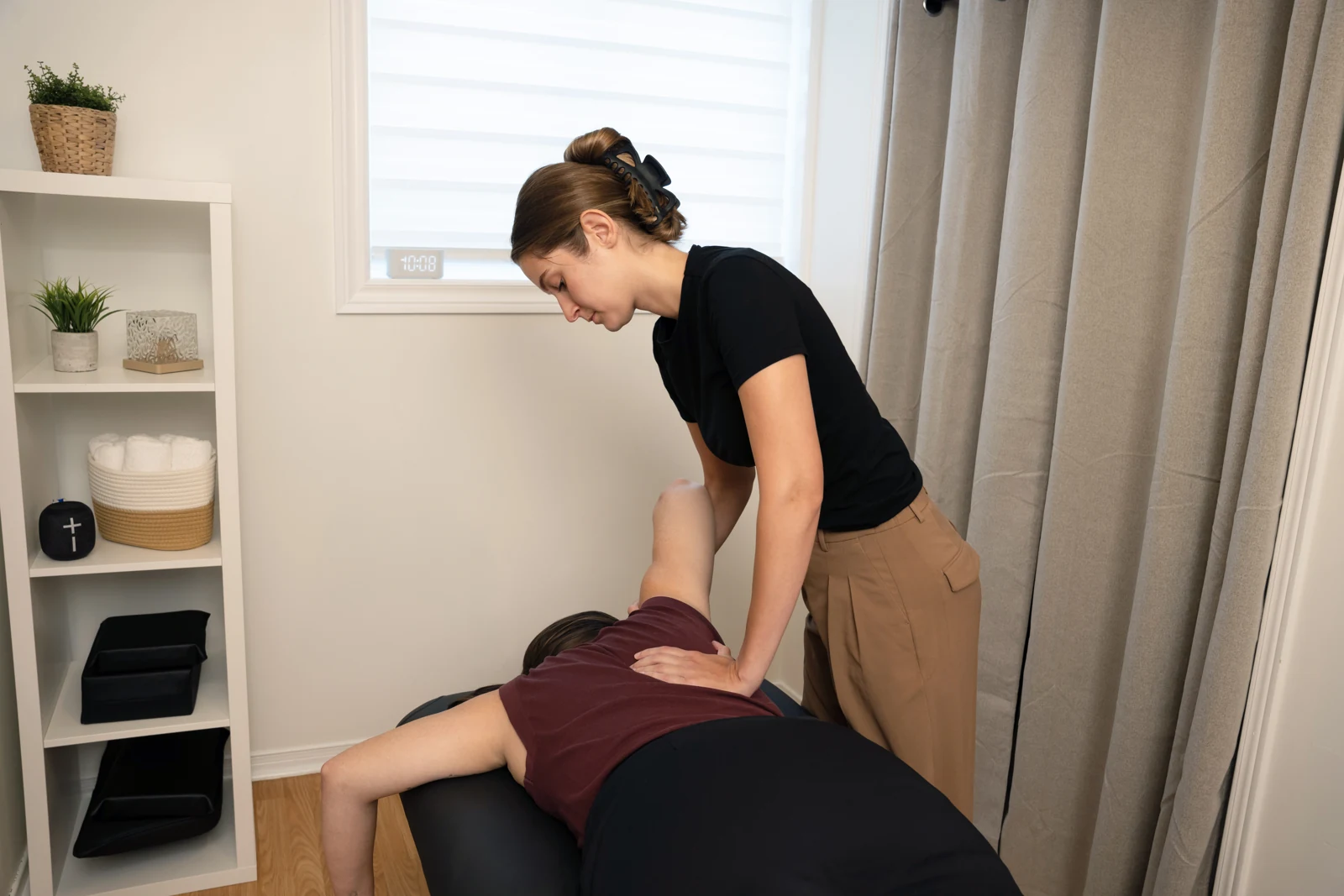
For assessment of relevant movement restrictions alongside medical care for wrist and nerve concerns.
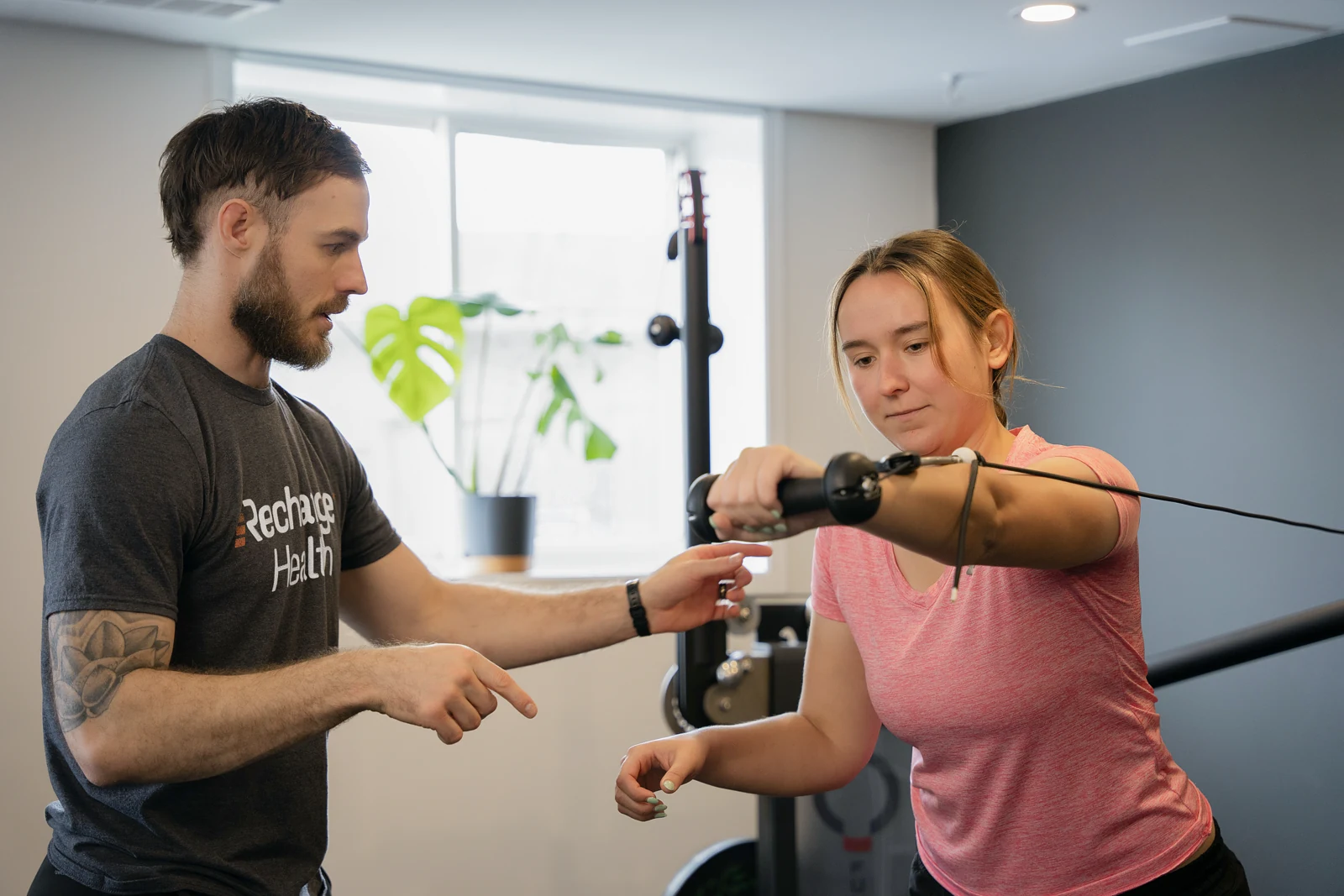
For activity-related movement concerns after suitability is assessed, while respecting nerve symptoms and medical recommendations.
Useful details include:
These details help guide care and identify when another assessment should take priority.
Arrange medical assessment for persistent or worsening numbness, weakness, dropping objects or visible loss of muscle around the base of the thumb.
Carpal tunnel treatment may include a night splint, other medical treatment or surgery, depending on severity. Your care should reflect those recommendations rather than delay them.
We would not promise that. Massage may address associated muscular discomfort, but it does not reliably remove the pressure affecting the median nerve.
Assessment helps determine whether massage has an appropriate supporting role in your care.
No. Tingling can have several causes. The fingers involved, symptom pattern and examination findings help your healthcare provider distinguish between them.
Tell your therapist about symptoms even if they seem separate from the area you want massaged.
No. Tell your therapist immediately if a technique causes or increases tingling, numbness or electric sensations. Treatment should be adjusted or stopped.
Tell us about your pregnancy and hand symptoms when booking. We can discuss a suitable appointment and positioning.
Persistent numbness or weakness still needs assessment rather than being assumed to be an expected part of pregnancy.
Share your surgery date and your surgeon’s instructions. Treatment timing and areas depend on healing and any restrictions.
We can discuss whether an appointment is appropriate without assuming you are ready for direct work around the surgical area.
Explore targeted muscular care, or contact us if you are unsure whether your symptoms need another assessment first.