
01
Pain & Posture
Osteopathy in Thorold
A whole-body approach to hands-on care for pain, stiffness and movement concerns.
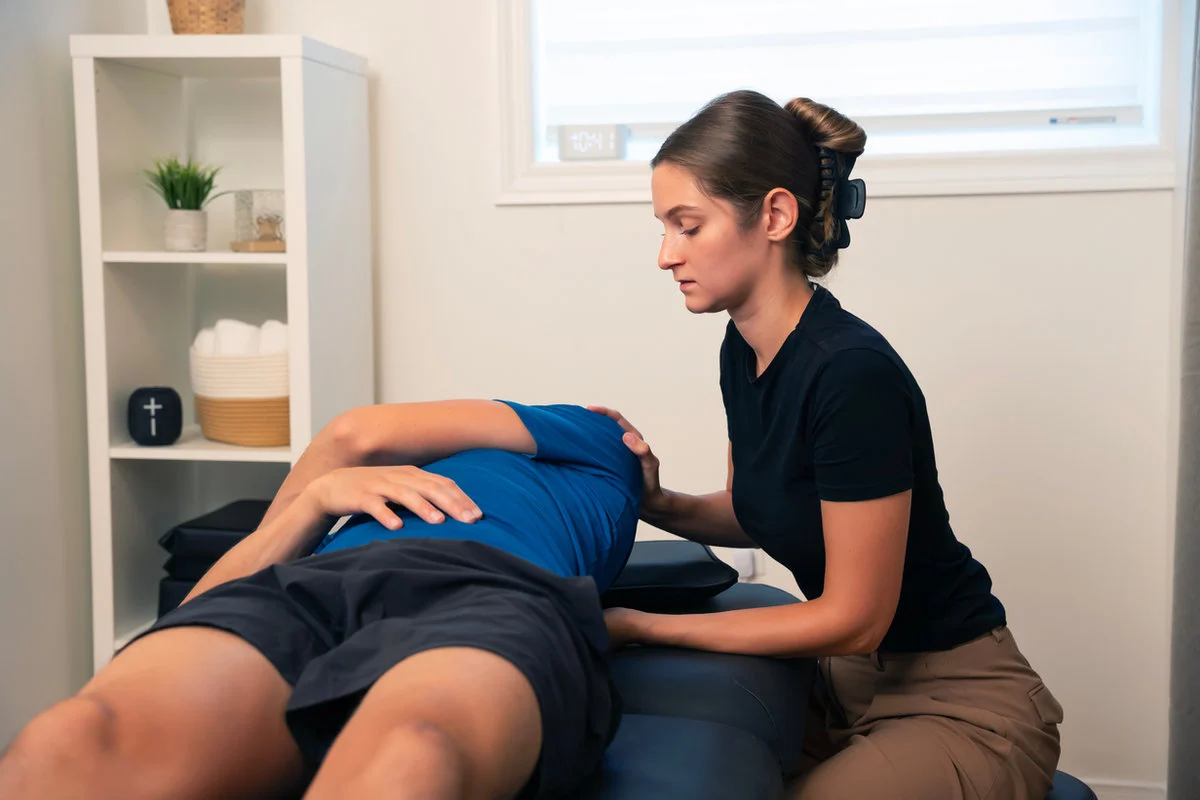
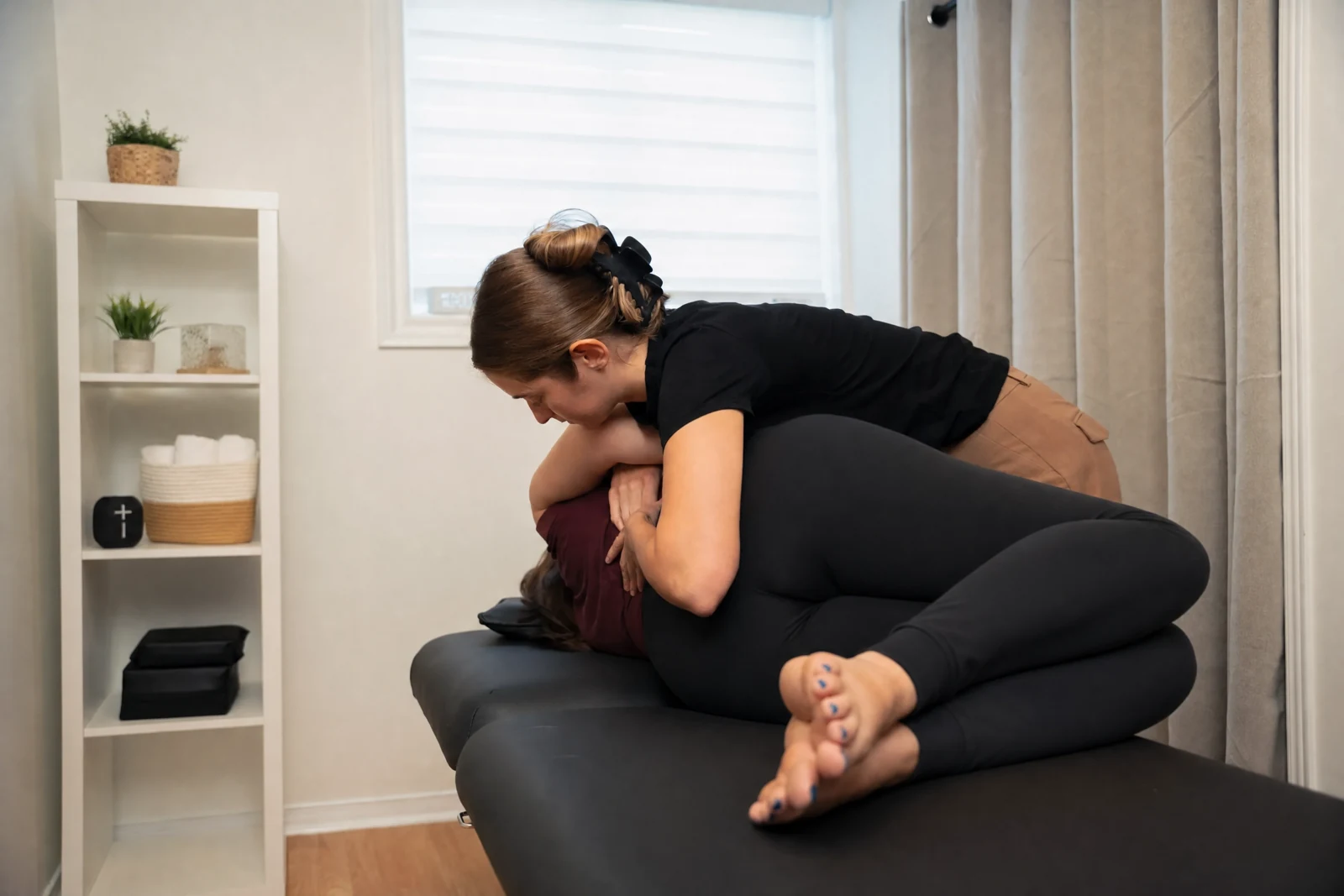
Osteopathic Manual Therapy considers how your joints, muscles and connective tissues work together. Your practitioner may assess beyond the area where you feel discomfort to explore restrictions elsewhere that could be relevant to your movement.
A different approach
When the same discomfort keeps returning
You might feel tight, restricted or uncomfortable, but it’s not always clear why.
Maybe the same areas keep bothering you, or things improve temporarily without fully resolving.
Osteopathy takes a step back and looks at the whole body, helping explore what may be contributing to the issue.
Is this the right approach for you?
This approach may suit you if you:
- Experience recurring neck, back, shoulder or hip discomfort.
- Notice stiffness or difficulty moving comfortably.
- Want an assessment that considers how different areas work together.
- Would like to explore another approach when previous care has not met your goals.
Structure, movement & function
A whole-body approach to structure and function
Osteopathic Manual Therapy considers the relationships between bones, joints, muscles, fascia and organs, alongside the nerves and blood vessels that supply these structures.
Assessment explores how these areas relate to one another and how restrictions may be relevant to your comfort, movement and overall function. Your practitioner may therefore assess and treat beyond the area where you first noticed symptoms.
Osteopathic philosophy recognizes the body’s inherent capacity for self-regulation and healing. Within this approach, hands-on treatment aims to support function by addressing relevant restrictions, rather than treating each area in isolation.
02
Whole-body assessment
03
Individualized hands-on treatment
04
Reassessment
Individualized hands-on care
How osteopathic treatment is adapted to you
Your practitioner selects techniques according to your assessment, health history, comfort and consent. Treatment may combine:
01
Joint mobilization
Controlled movements used to assess and work with joint stiffness and restricted movement.
02
Soft-tissue treatment
Hands-on techniques involving muscles, fascia and other connective tissues.
03
Cranial approaches
Gentle techniques focused on the head and related tissues, considered within the wider whole-body assessment.
04
Visceral approaches
Gentle manual techniques involving the abdomen and tissues surrounding the organs, where appropriate to your concerns and assessment.
Your practitioner will explain the proposed treatment and adapt it to your response throughout the appointment.
Your reasons for seeking care
What can osteopathy help with?
Pain, stiffness & recovery
People commonly seek Osteopathic Manual Therapy for:
The whole-body picture
You can also discuss digestive concerns, disrupted sleep and stress-related physical tension during your assessment.
Your practitioner considers these concerns within the whole-body picture and discusses whether manual treatment has an appropriate supporting role. This may include attention to physical tension and comfort, with a calming treatment experience.
Persistent or unexplained symptoms may need medical assessment alongside any manual care.
Your first visit
What happens at your appointment?
01
Discuss your concerns
Share where you notice discomfort, what activities feel difficult, your relevant health history and what you would like help with.
02
Assess how you move
Your practitioner assesses relevant movement and areas of restriction. You remain clothed, so comfortable, flexible clothing is helpful.
03
Receive treatment and review
Your initial appointment includes hands-on treatment. Your practitioner explains the proposed approach, obtains your consent and checks your comfort throughout.
Your response helps guide recommendations for follow-up care.
Choose your starting point
Osteopathy or Massage Therapy?
Both involve assessment and hands-on care. At Recharge Health, the starting approach differs.
Osteopathic Manual Therapy
A whole-body assessment considers relationships between joints, muscles and connective tissues. Treatment may involve several areas identified through that assessment.
Targeted Massage for Pain & Function
An RMT appointment focused on muscular discomfort, recurring tension or movement concerns. Assessment guides the soft-tissue techniques and treatment areas selected.
If you’re unsure where to start, contact us with your main concerns and we can help explain the appointment options.
Treatments & pricing
Your osteopathy appointments
45 minutes · $120 + HST
Initial Osteopathic Assessment & Treatment
Your starting appointment includes a discussion of your concerns, assessment and hands-on treatment.
30 minutes · $80 + HST
Follow-Up Osteopathic Treatment
Continued assessment and treatment informed by your response to previous visits, current concerns and goals.
After your appointment
How might I feel after treatment?
You may notice changes in comfort or ease of movement after your appointment. Some people experience mild, temporary soreness or stiffness, particularly after their first treatment.
This commonly settles within 24–48 hours. Soreness is not required for treatment to be helpful.
Contact the clinic if soreness is not improving, remains present three or four days after treatment, or concerns you. Severe, worsening or unusual symptoms should be assessed promptly.
Your Osteopathic Manual Practitioner
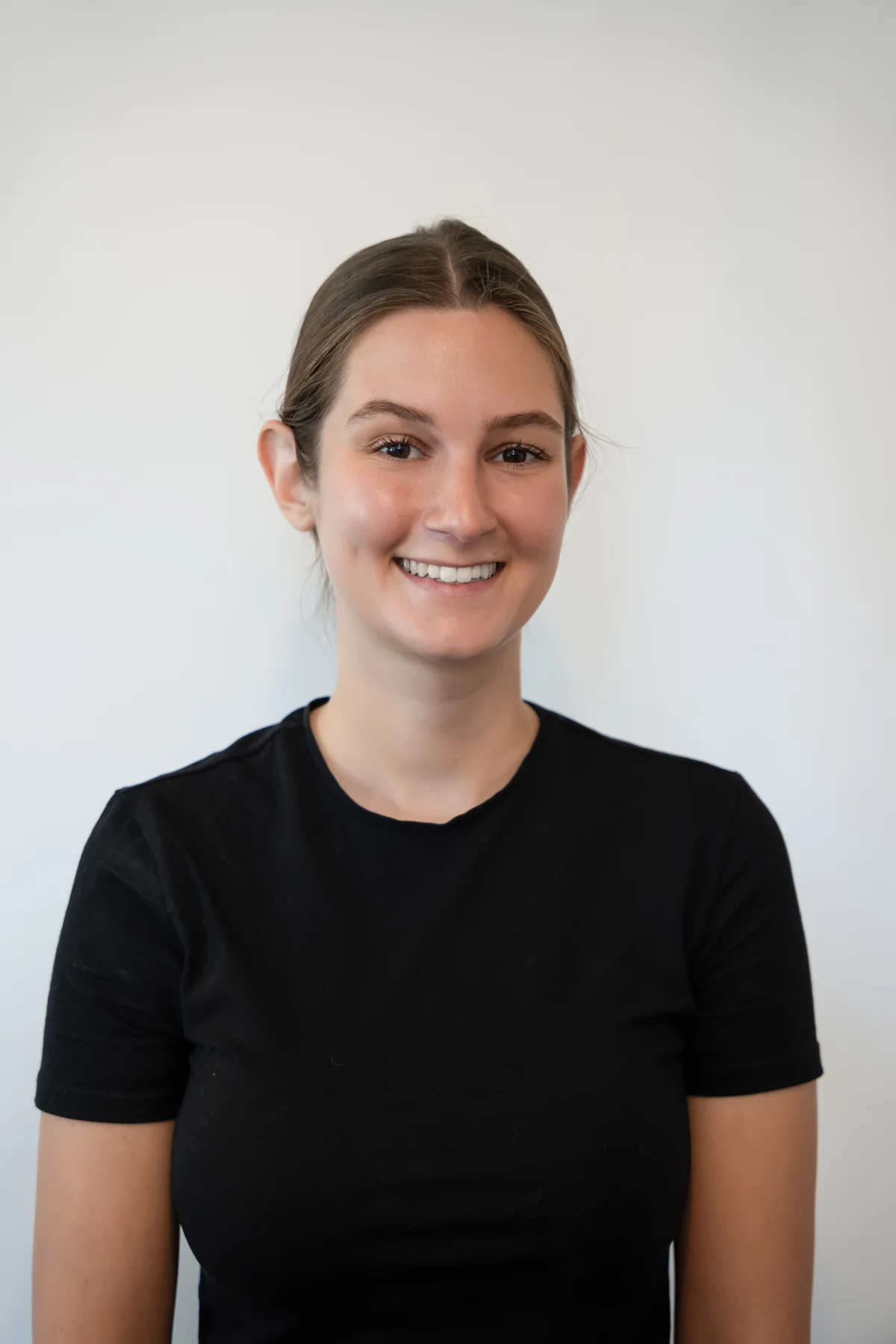
Meet Alanna Van Der Beek
Alanna takes a principles-based approach focused on structural patterns and functional anatomy.
Her assessment and hands-on treatment are tailored to how you present that day and how you respond to care. She considers areas of restriction alongside your symptoms and movement concerns.
Planning your visit
Direct billing and insurance
We offer direct billing through participating insurers for eligible Osteopathic Manual Therapy appointments.
Osteopathy coverage can differ from Massage Therapy coverage. Check that your plan covers Osteopathic Manual Therapy and accepts your practitioner’s credentials, including any referral requirements.
Good to know
Frequently asked questions
Does my first appointment include treatment?
Yes. The initial 45-minute appointment includes both assessment and hands-on treatment. Time is also reserved to discuss your concerns, relevant health history and goals.
What should I wear?
Choose comfortable, flexible clothing that allows you to move easily, such as a T-shirt and athletic shorts or leggings. Osteopathic appointments are carried out while you remain clothed.
Does osteopathy involve cracking or forceful adjustments?
Our osteopathic appointments use hands-on techniques such as joint mobilization and soft-tissue treatment rather than rapid, forceful spinal adjustments. Your practitioner will explain the proposed treatment and discuss your preferences before proceeding.
How many appointments will I need?
Recommendations depend on your concerns, assessment and response to treatment. Follow-up visits provide an opportunity to reassess changes and decide whether continuing, adjusting the approach or seeking another type of care makes sense.
Can I use my massage benefits for osteopathy?
Do not assume that massage benefits also cover osteopathy. These are separate services, and eligibility depends on your policy and practitioner requirements. Check your osteopathy coverage with your insurer before booking.
Your next step
Begin with an assessment and treatment
Discuss your concerns, explore how your body moves and receive individualized hands-on care.