
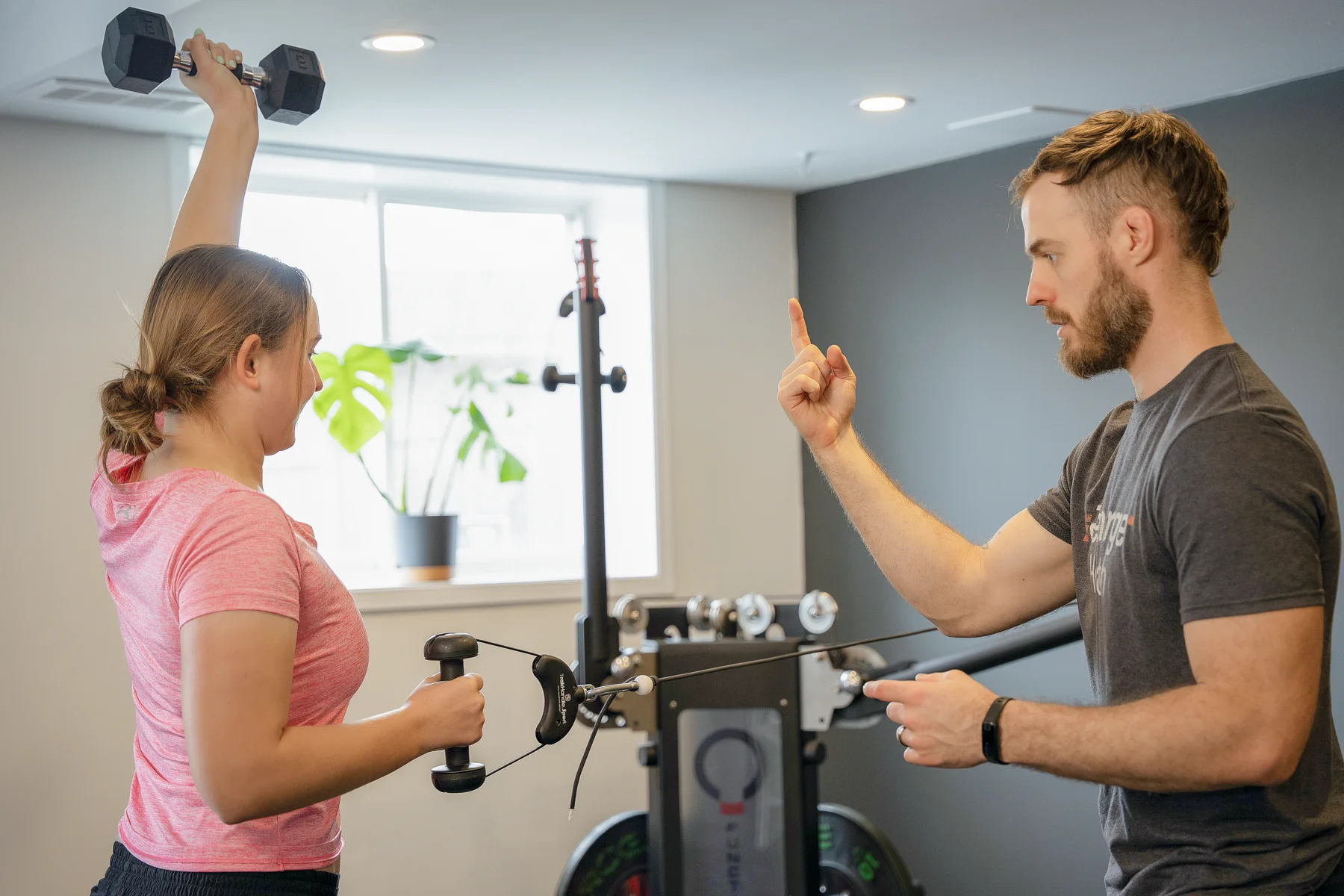
Integrative Functional Massage
For learning new movement patterns and building coordination around the positions and tasks that trouble you.
A posture concern becomes more useful to assess when we connect it to comfort, coordination and what you find difficult to do, rather than appearance alone.
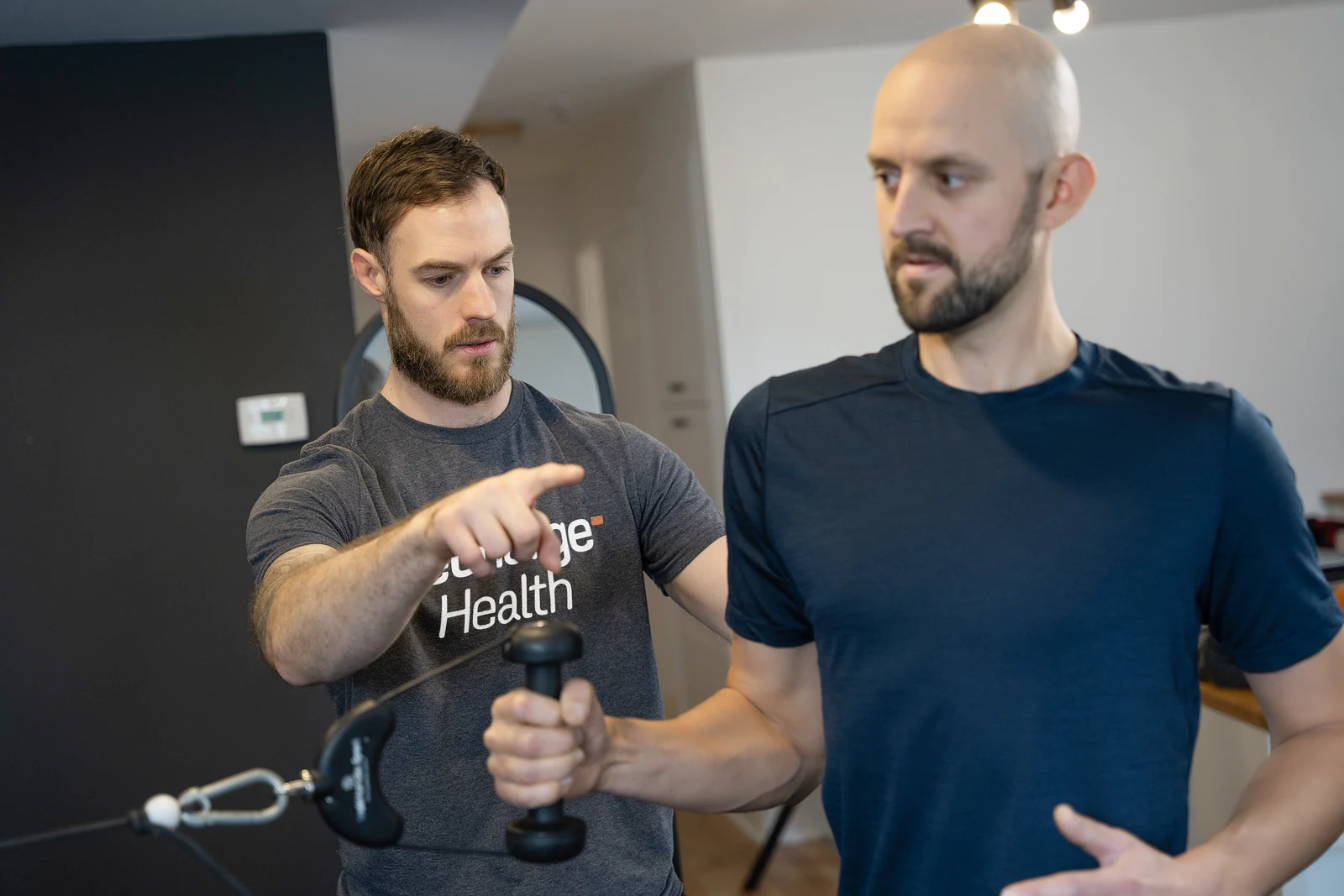
Rounded shoulders, an uneven stance or a forward head position do not by themselves tell us why someone hurts. There is no single posture that everyone needs to hold all day.
A more useful starting point is whether particular positions become uncomfortable, one direction feels restricted, or a task feels difficult to coordinate.
This guide focuses on those concerns. The Integrative Functional Massage service page explains the assessment, coaching and treatment pathway used to work on them.
Having enough range to reach overhead is different from coordinating that movement comfortably or tolerating it repeatedly at work.
Useful goals describe what feels limited: turning in one direction, standing through a shift or controlling a lifting task. Learning new patterns can be part of care when assessment supports that approach.
Care focuses on the muscular and movement concerns relevant to your symptoms. Explore the service pages for appointment details and what to expect.
For learning new movement patterns and building coordination around the positions and tasks that trouble you.
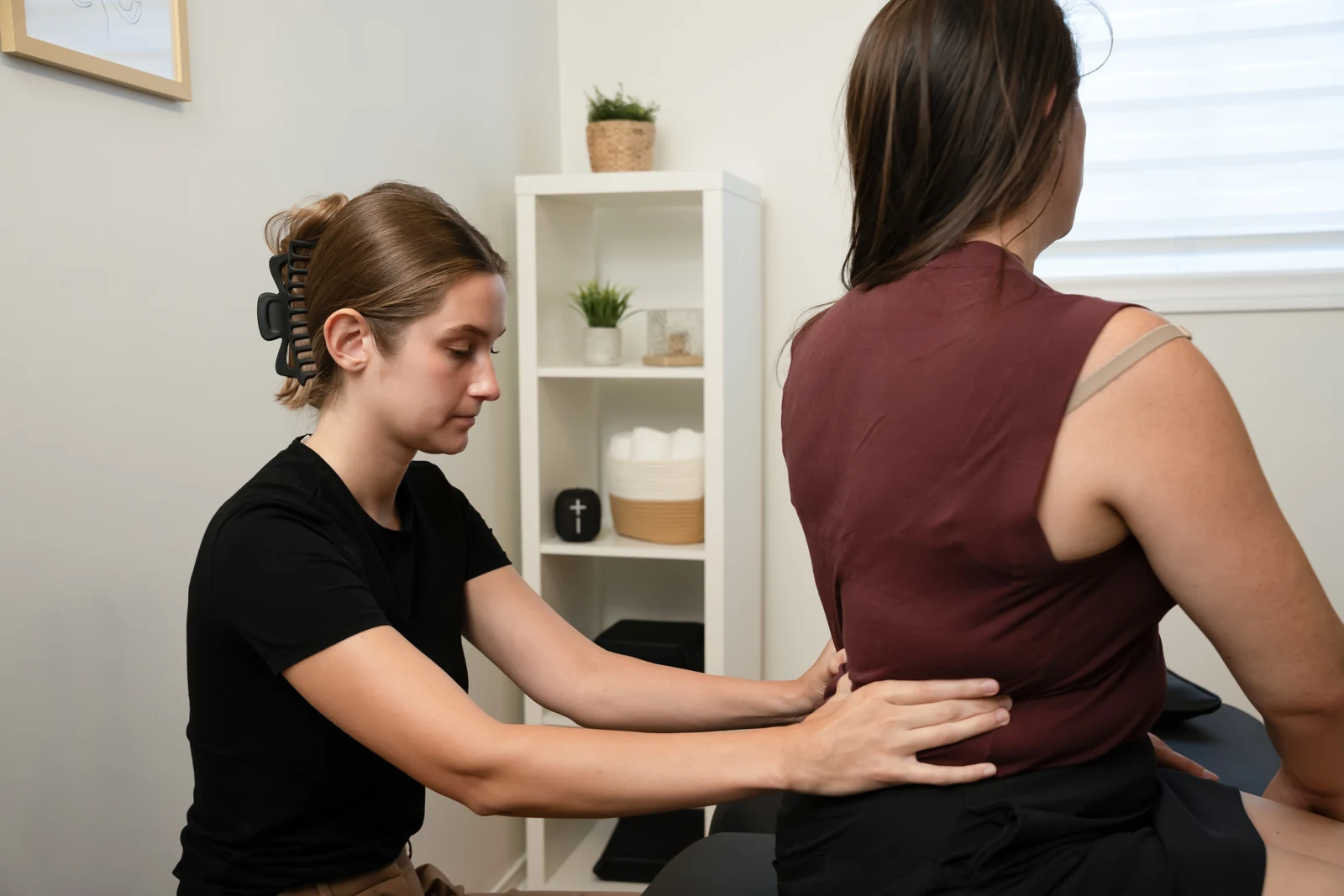
For muscular discomfort that makes movement or sustained positions less comfortable.
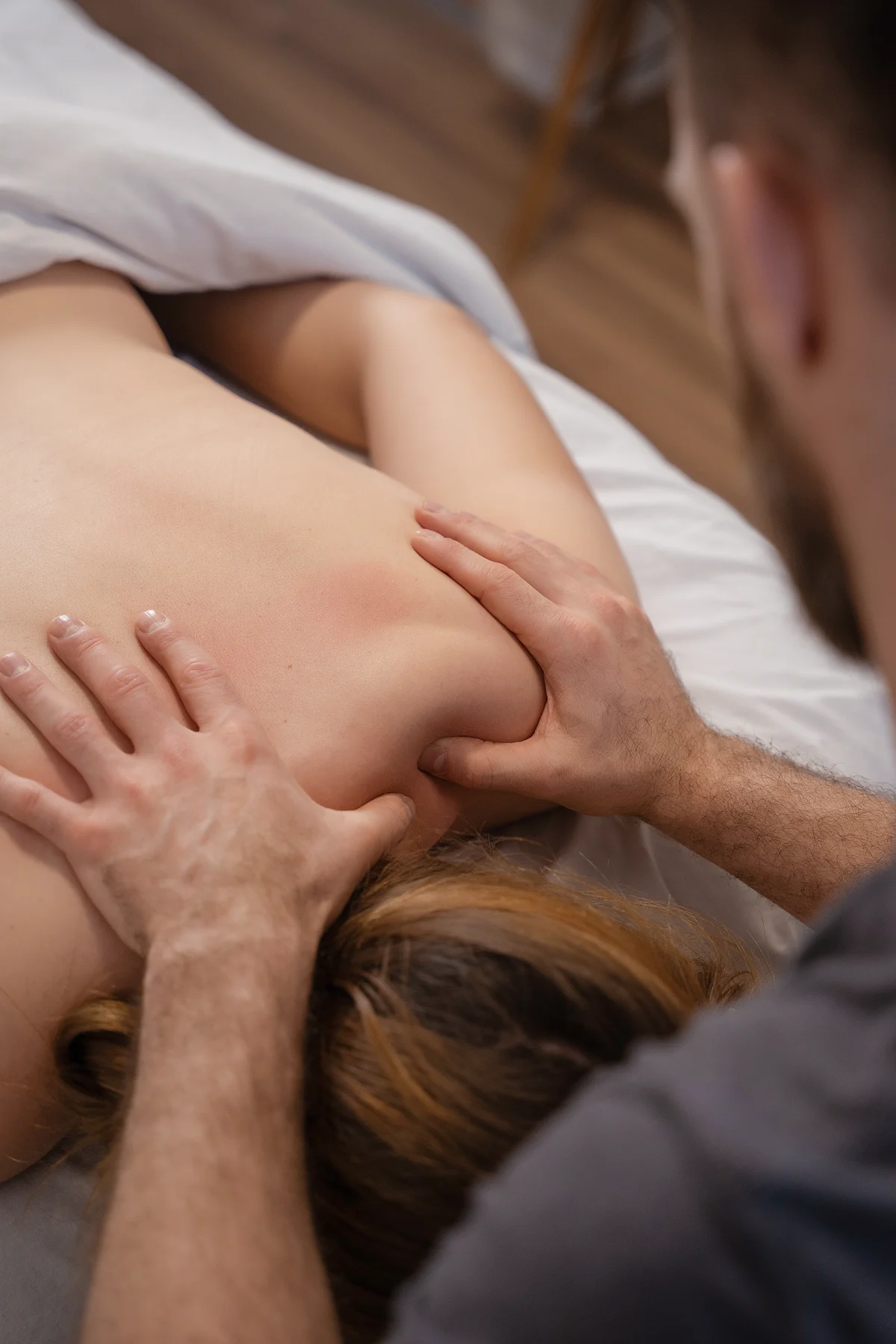
For a manual assessment of restrictions relevant to your posture and movement concerns.
Your goals do not have to be athletic. You may want to turn more easily while driving, feel more comfortable standing at work, or return to exercise with greater confidence.
These goals give your sessions a practical direction. Follow-up can consider changes in comfort, movement and your ability to perform the activities you identified.
Yes. Posture and movement assessment are part of the Integrative Functional Massage approach. Your assessment considers how you stand and move alongside your symptoms, history and goals, rather than judging appearance alone.
No. Integrative Functional Massage combines hands-on massage treatment with movement assessment and coaching. Learning new movement patterns is a central part of the approach.
We would not promise a permanent posture change from massage alone. Targeted Massage focuses on muscular discomfort and soft tissue restrictions. If your goal includes learning different movement patterns, explore Integrative Functional Massage.
No. Start with an assessment so the work can reflect your current abilities and comfort. Let your therapist know about injuries, health conditions or movements you find difficult.
Choose focused hands-on treatment, a whole-body manual approach, or care that combines massage with learning new movement patterns.