
Pain & Posture

Integrative Functional Massage in Thorold

Breaking chronic pain patterns by rebuilding how your body moves.

Our Integrative Functional Massage Therapy combines targeted RMT soft-tissue treatment with postural assessment and functional movement retraining to address chronic pain, postural concerns and movement dysfunction.

By combining Massage Therapy with corrective movement, treatment addresses both restrictive tension and the movement patterns that contribute to it.

Begin with a Pain & Movement Assessment with Massage Therapy to establish your starting point and an individual plan.

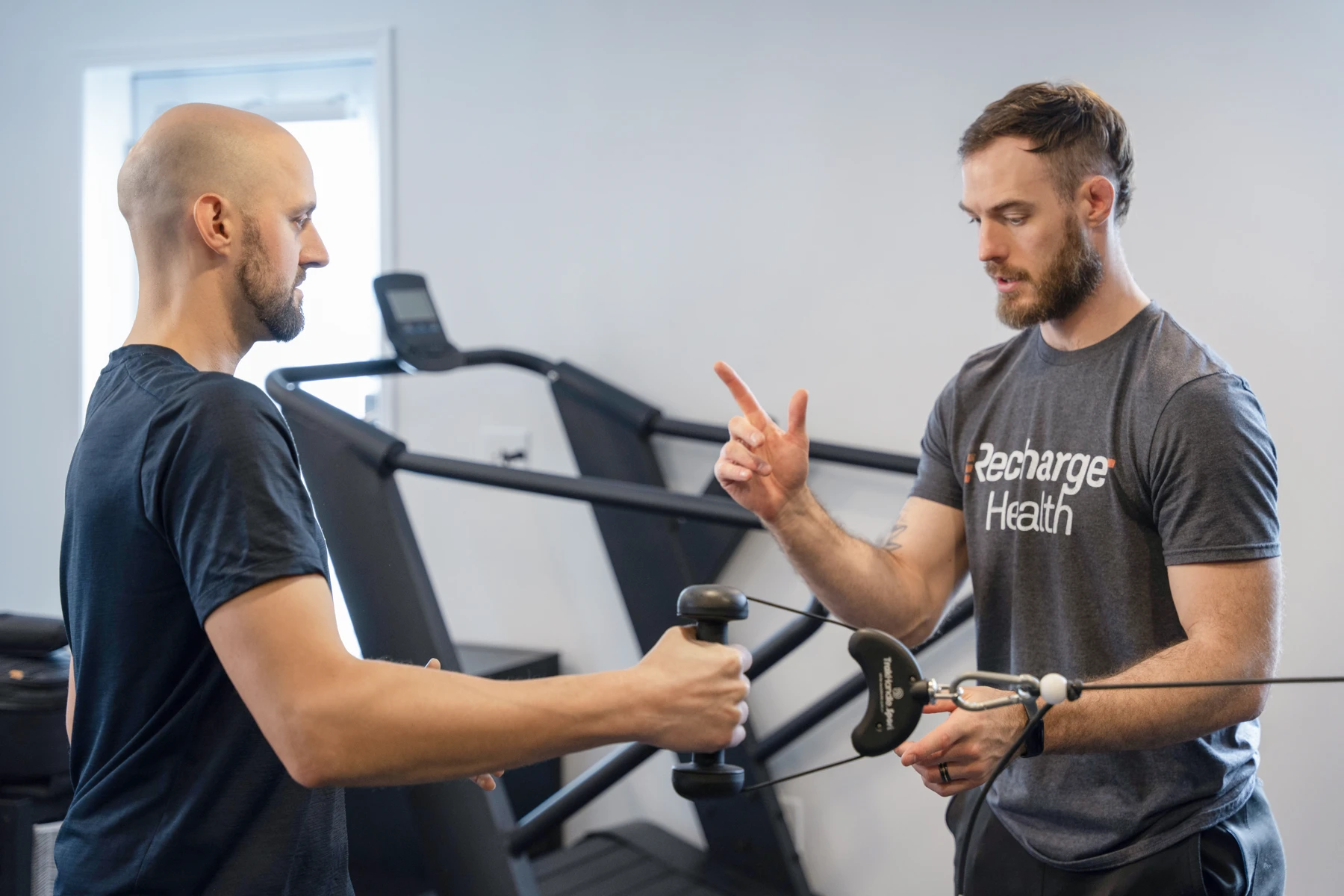
Functional movement assessment at Recharge Health
A personalized approach

See what makes our approach different.

Explore how hands-on Massage Therapy, postural assessment and corrective movement come together in an Integrative Functional Massage session.

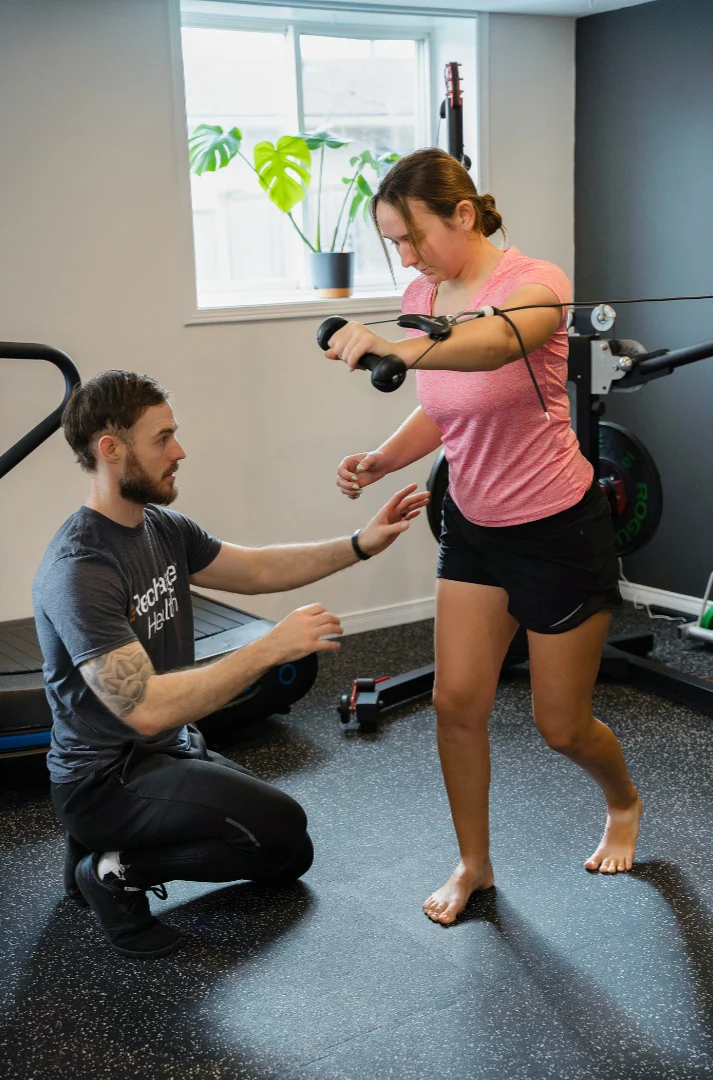
Personalized hands-on care at Recharge Health
A different approach

Why functional movement matters for long-term relief

You stretch. You rest. You “stand up straight and pull your shoulders back”… yet the tension keeps coming back.

Maybe it’s the tight neck that returns every workweek.

The low back that’s constantly on the edge of spasm.

The hips and shoulders that always feel “off,” no matter what you try.

Pain and recurring tension can involve compensation patterns built through posture, past injuries and the way your body moves every day.

When these patterns aren’t addressed, the body can continue to compensate, contributing to ongoing discomfort and movement difficulties.

By combining Massage Therapy with corrective movement, this treatment addresses both the restrictive tension in the body and the movement dysfunctions that may contribute to that tension.

Hands-on treatment works on relevant areas of restriction, while corrective movement focuses on learning new movement patterns, developing how your body supports itself and coordinates movement.

Is this the right approach for you?

This is for you if you:

  • Have been dealing with chronic pain or past injuries.
  • Notice certain movements feel restricted, inefficient or uncomfortable.
  • Want a targeted, results-focused approach.
  • Are looking for longer-term change.
  • Want to take an active role in learning and developing new movement patterns.
Why choose this treatment?

A tailored clinical approach: it’s all about your body.

This approach integrates Massage Therapy with postural assessment and corrective movement to address how your body holds tension and supports itself dynamically during movement.

Treatment works to identify your specific restrictions, postural imbalances and patterns of movement dysfunction that may contribute to chronic pain.

Each time you step into the clinic, we work with how your body is presenting that day. This takes into account current discomfort or mobility concerns, how you are adapting to previous sessions and where further treatment or movement instruction is needed.

Your treatment and movement progressions evolve together. The focus is on addressing restrictions while developing the coordination and understanding needed to learn new ways of moving.

Learning new movement patterns

Posture and functional movement training

Standing

Walking

Running

Throwing

Functional movement training applies principles of physics and biomechanics to how your body supports itself and coordinates movement.

The focus is on building competency in four fundamental movement patterns: standing, walking, running and throwing. These patterns provide a framework for understanding how the body supports itself and coordinates movement, including the relationship between the upper body, lower body and trunk.

Within Integrative Functional Massage, these principles guide postural assessment, corrective movement instruction and exercise progression.

The aim is to develop movement capacity that carries beyond an individual exercise and into everyday activities.

Your first step

Start with a Pain & Movement Assessment with Massage Therapy

Your first appointment establishes the foundation for Integrative Functional Massage. Start with an assessment, hands-on treatment and a plan built around your needs and goals.

80 minutes · $195 + HST

Pain & Movement Assessment with Massage Therapy

Begin here for Integrative Functional Massage. This 80-minute appointment combines a discussion of your concerns and goals, postural and movement assessment, and hands-on massage treatment.

Your therapist identifies relevant restrictions and movement patterns, explains the findings and recommends an individual plan for treatment and movement retraining.

Start with one appointment. Understand your next steps before committing to ongoing care.

  • Chronic pain and recurring injuries.
  • Movement limitations or postural concerns.
  • Issues that haven’t responded as hoped to previous treatment.
Following your assessment

Your ongoing Integrative Functional Massage plan

After your assessment, ongoing appointments build on your individual plan through hands-on treatment, learning new movement patterns and progressive coaching.

Your therapist will discuss the recommended frequency, fees and next steps. Current clients can continue booking their IFMT appointments directly through Jane.

  • Assessment, hands-on treatment and guided movement work.
  • Postural retraining and instruction in new movement patterns.
  • Optional posture photographs, session recordings and gait analysis.
  • Personalized exercises and video support.

RMT receipts are provided for eligible insurance reimbursement. Coverage depends on your individual benefits plan.

A structured approach

The IFMT Progression Framework

This approach follows a progression designed to reduce pain, restore movement and support long-term change. While each session is adapted to your body, clients generally work through the following stages over time:

Sessions 1–3

01 · Reset

Massage focus: Targeted treatment in painful areas.

Movement focus: Creating strong foundations through spinal alignment and core engagement.

  • Complete postural assessment.
  • Video recordings of your sessions.
  • Posture photographs and gait analysis.
  • Reset Your Fascia video guide for self-myofascial release.
Sessions 4–8

02 · Rebuild

Massage focus: Secondary areas of restriction.

Movement focus: Developing an understanding of upper- and lower-body connections and building on foundational movement patterns.

  • Reassessment of posture and gait.
  • Access to an expanded exercise library.
  • Personalized movement progressions.
  • Technique coaching and refinement.
Sessions 8–12+

03 · Optimize

Massage focus: Ongoing management of relevant tension and restrictions.

Movement focus: Developing more advanced movement patterns across multiple planes of motion.

  • Further refinement of posture.
  • Advanced exercise progressions.
  • Ongoing technique refinement.
  • A long-term maintenance strategy.

Your path to lasting results

Customized plans typically include 8–12 sessions, with ongoing progression beyond this where appropriate. These stages provide a framework for care. Learning and developing new movement patterns takes time, instruction and repetition. Your goals, assessment findings and response to treatment guide how the plan progresses. Ask in clinic about available package options and preferred rates.

Continue the work

Reset Your Fascia

Reset Your Fascia is a guided introduction to self-myofascial release, included as part of the IFMT progression.

Using simple tools and techniques, it helps you work on tension and tissue mobility between sessions, giving you a more active role in your care.

  • Learn self-myofascial release techniques to use at home.
  • Work on tissue restrictions between appointments.
  • Build awareness of where your body holds tension.
  • Support the hands-on and movement work introduced during your sessions.
Meet Matt Antonello
Meet your Registered Massage Therapist

Meet Matt Antonello

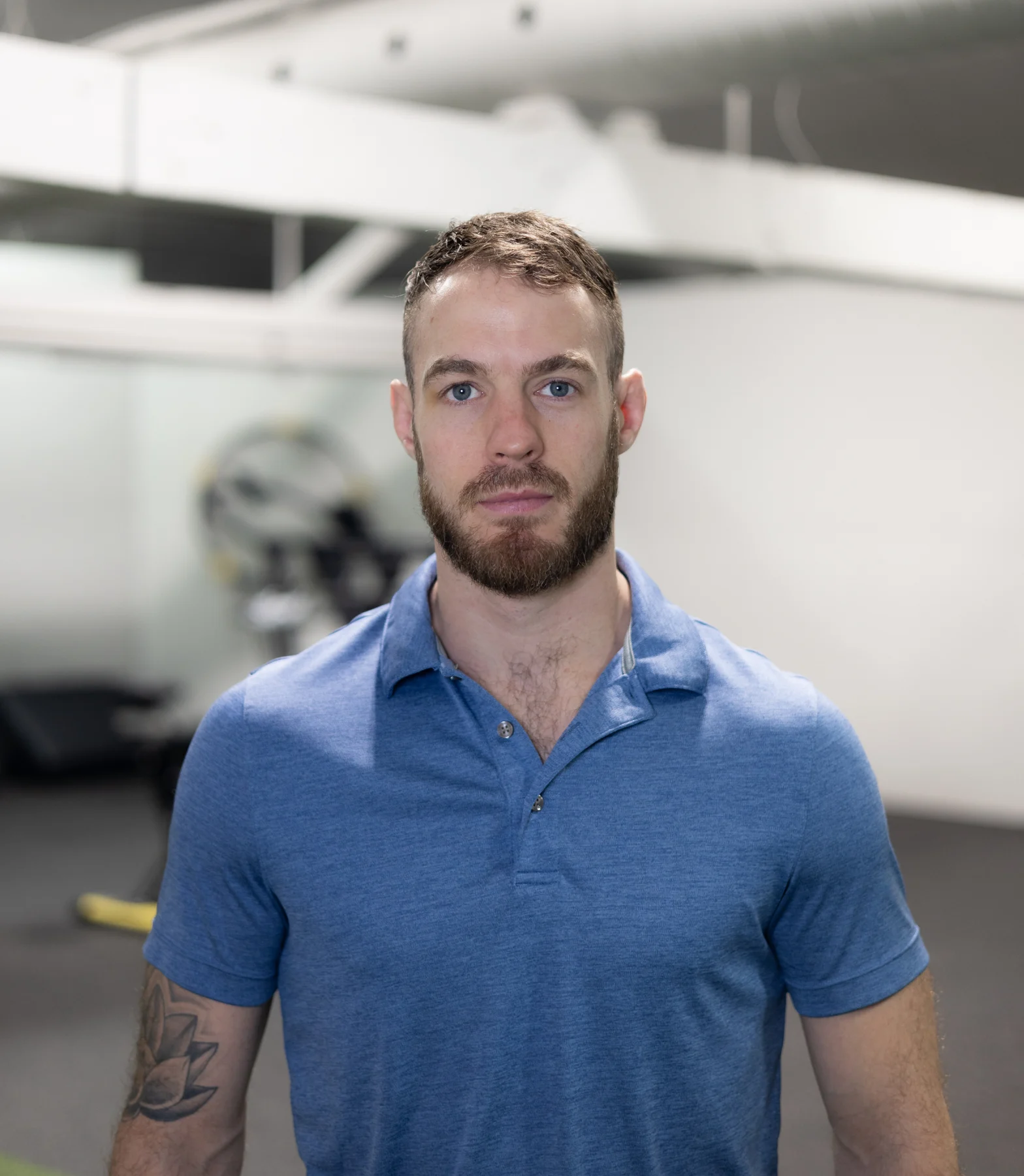
Matt specializes in functional movement and posture, combining hands-on treatment with movement-based correction.

As a Human Biomechanics Specialist, he focuses on posture and movement patterns that contribute to pain and dysfunction, helping you improve how your body moves and performs over time.

Common questions

Integrative Functional Massage FAQs

What makes Integrative Functional Massage different from regular massage therapy?

Integrative Functional Massage combines hands-on soft-tissue treatment with postural assessment, corrective movement instruction and progression over a series of appointments.

Massage addresses relevant tension and restrictions. The movement component focuses on learning new movement patterns and developing how different areas of the body support and coordinate with one another.

This gives treatment a broader focus than hands-on massage alone.

What happens during a session?

Each appointment considers your current concerns and how you have responded to previous sessions.

Treatment combines assessment, hands-on massage and guided movement work. Your therapist provides instruction and feedback as you learn movement patterns, refine technique and progress exercises.

The balance of treatment and movement work changes according to your needs and stage of care.

Do I need to have pain to book?

You can also book to address postural concerns, movement restrictions or difficulties with how your body moves and coordinates.

A Pain & Movement Assessment provides an opportunity to discuss your goals and determine whether this approach is suitable for you.

What if I am unfamiliar with exercise?

You do not need previous exercise experience or knowledge of movement training.

Movement instruction begins with an appropriate starting point. Your therapist explains the exercises, provides coaching and helps you develop the understanding and coordination needed to progress.

Learning new movement patterns is part of the treatment process.

How many sessions should I expect?

Customized plans typically include 8–12 sessions, with some clients continuing beyond this as they progress.

The Reset, Rebuild and Optimize stages describe how treatment and movement instruction can develop over time. They are a general framework rather than a fixed schedule.

Your assessment and response to care guide the recommended plan.

What will I do between appointments?

Your plan may include self-myofascial release, personalized exercises and movement work introduced during your appointments.

Video resources and session recordings can help you revisit instruction. Share any difficulties or questions at your next visit so technique and progressions can be reviewed.

Is IFMT covered by massage therapy benefits?

Integrative Functional Massage is provided by a Registered Massage Therapist, and RMT receipts are available for eligible reimbursement.

Coverage is determined by your individual benefits plan. Check your coverage and any referral requirements with your insurer.

Your next step

Begin with a Pain & Movement Assessment.

Begin your Integrative Functional Massage care with assessment, hands-on treatment and clear next steps tailored to your goals.