
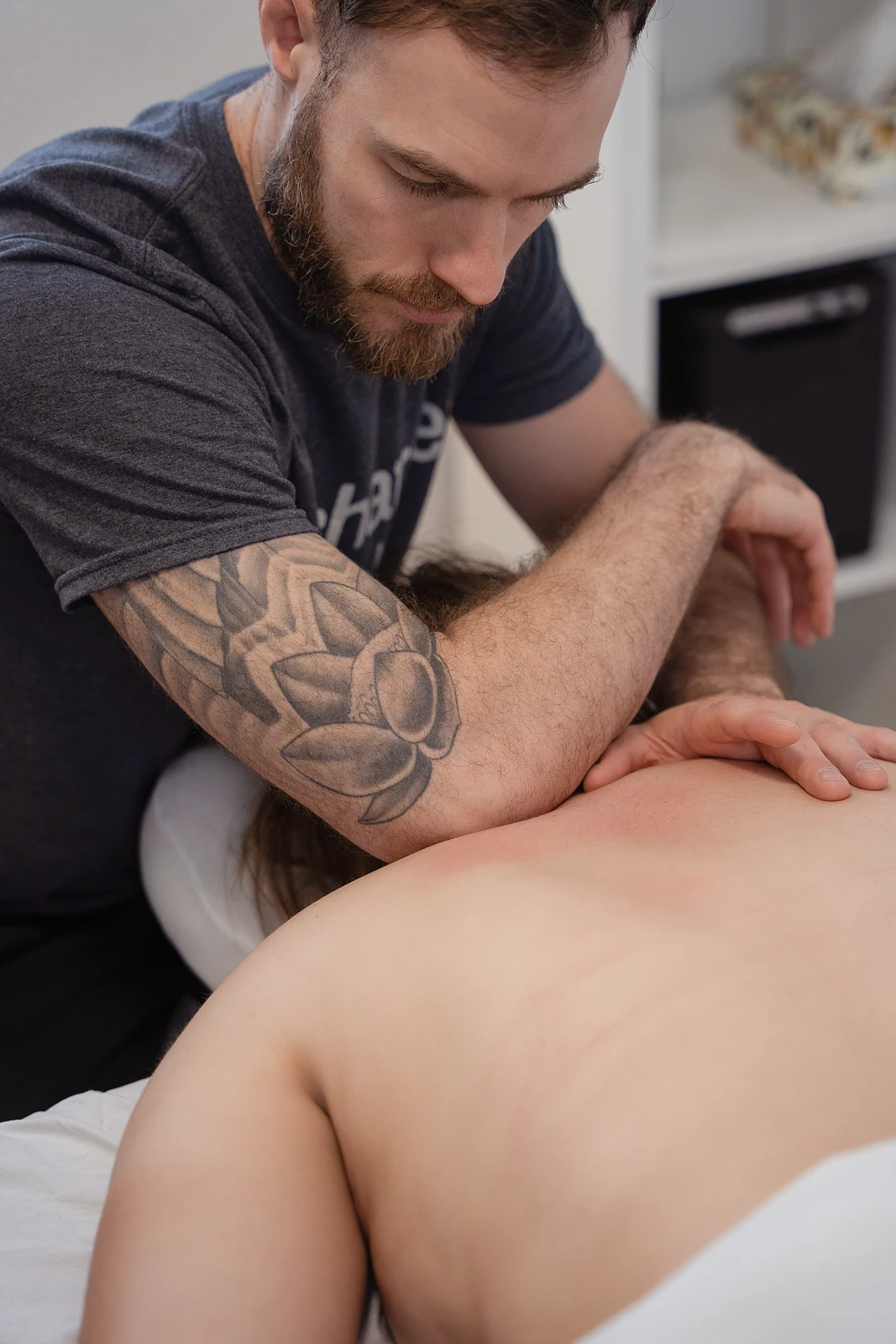
Targeted Massage for Pain & Function
For specific muscular discomfort within an individualized plan, with attention to sensitivity and response after treatment.
Persistent pain can affect confidence, sleep and everyday activity. Understanding the pattern and its impact helps make care more specific than repeatedly treating the same sore area.

Chronic or persistent pain generally means pain lasting longer than three months. It can continue after an injury has healed or occur alongside an ongoing condition.
Pain is influenced by more than one factor. Activity, sensitivity, sleep, stress and previous experiences can be relevant without making the pain any less real.
Support may involve several healthcare providers. Our contribution is assessment and care for relevant muscular discomfort and movement concerns, with practical goals agreed with you.
You may feel better after treatment, only to notice familiar discomfort returning during work, exercise or everyday activities.
That pattern deserves a conversation. Where does the discomfort return? What changes after treatment? Which movements still feel difficult?
Your appointment considers these details alongside your health history, previous care and current goals. We want to understand your starting point rather than assume another appointment should repeat the last one.
Care focuses on the muscular and movement concerns relevant to your symptoms. Explore the service pages for appointment details and what to expect.
For specific muscular discomfort within an individualized plan, with attention to sensitivity and response after treatment.
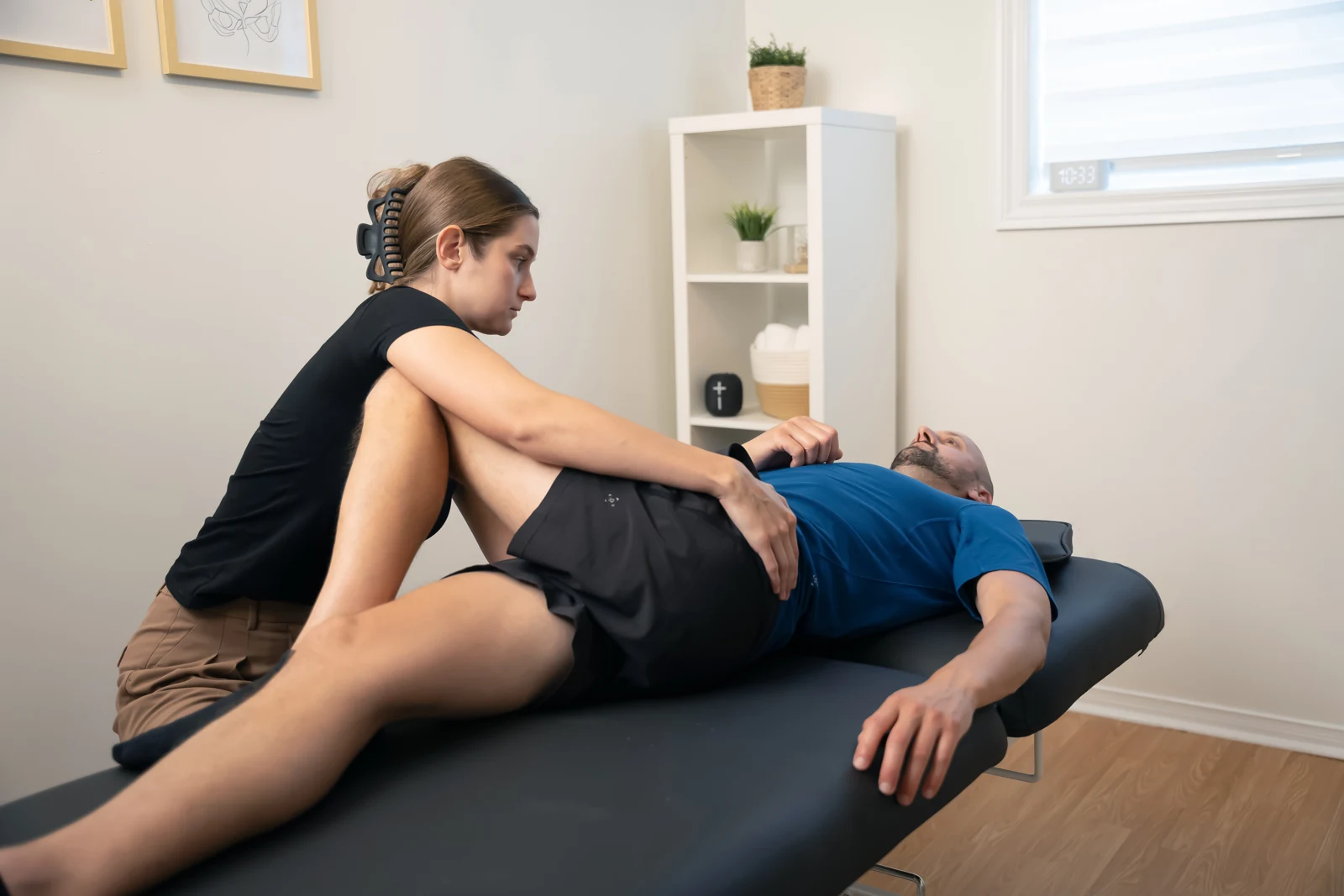
For a manual assessment of relevant restrictions when ongoing pain affects comfortable movement.
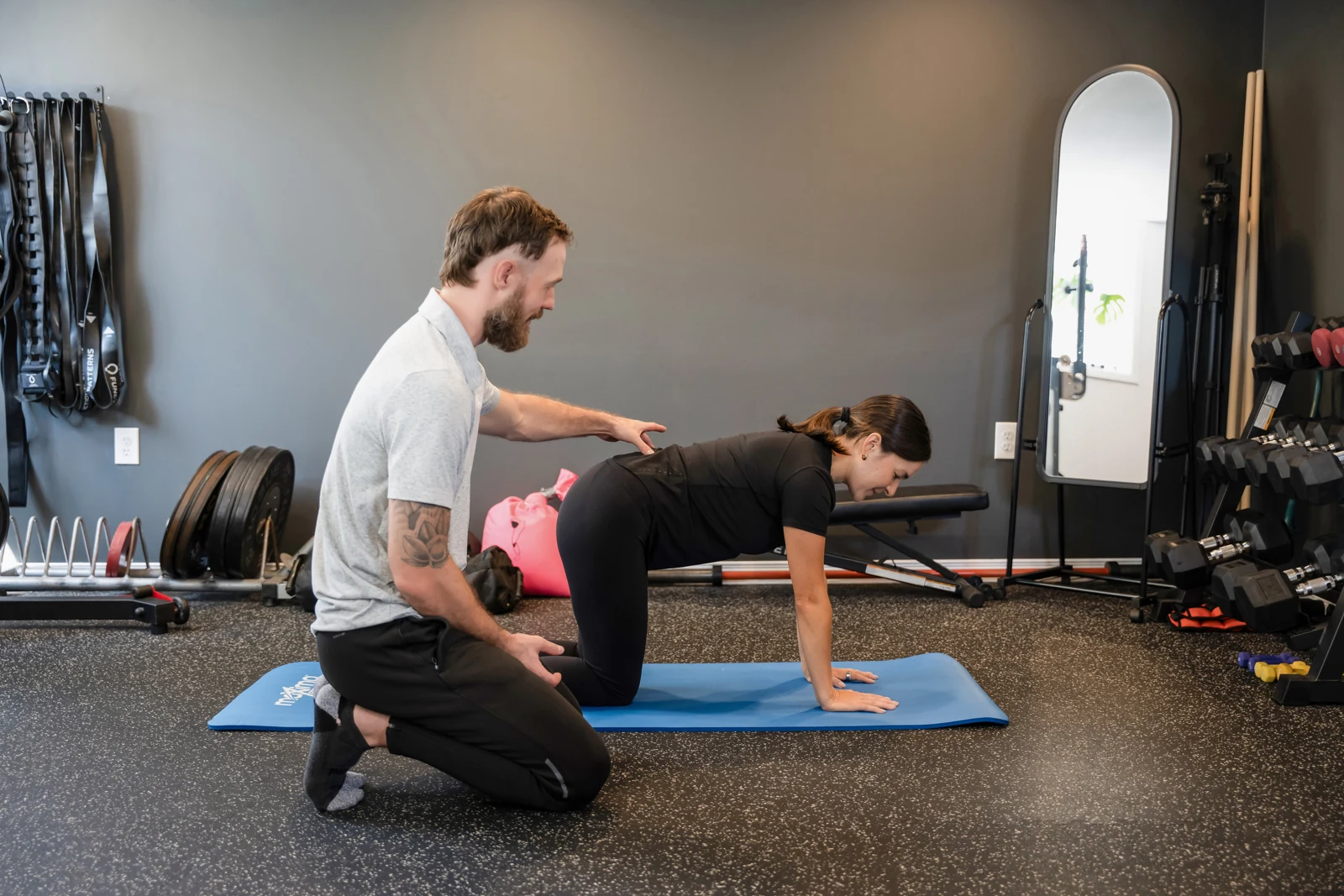
For gradually developing new movement patterns around activities you want to resume, with pacing guided by your response.
A useful goal might be walking farther, sitting more comfortably, returning to an exercise or feeling less restricted while caring for your family.
Tell your therapist what matters most. Follow-up can consider:
Your feedback helps guide the next step, including whether to continue, adapt the approach or discuss another form of care.
If you have a diagnosis, take medication or receive care from another provider, share that information during your assessment.
Massage, osteopathy and movement-focused care can address relevant concerns within a broader plan. Persistent pain that has not been medically assessed, or symptoms that are new or changing, should also be discussed with your healthcare provider.
Not necessarily. Persistent pain does not always reflect an ongoing injury in the place where you feel it. Your symptoms, history and relevant medical assessment help guide an appropriate approach.
We will not assume that every painful area needs deeper pressure or repeated treatment to the same tissues.
Not automatically. Your therapist will select pressure according to assessment, your preferences and how you respond.
Tell us if treatment feels too intense or leaves you struggling afterward. That feedback is useful for adapting future appointments.
Yes. Tell us about your diagnosis, areas of sensitivity and how you usually respond to touch and treatment.
Your therapist will discuss whether care is appropriate and adapt pressure, positioning and treatment focus. You do not need to tolerate intense treatment to have a worthwhile appointment.
Share what helped, what did not and how long any changes lasted.
If you want hands-on care with an active movement component, explore Integrative Functional Massage. If you prefer a whole-body manual approach, explore osteopathy. Assessment helps determine whether either is a suitable next step.
Choose focused hands-on care, a whole-body manual approach, or treatment combined with learning new movement patterns.