
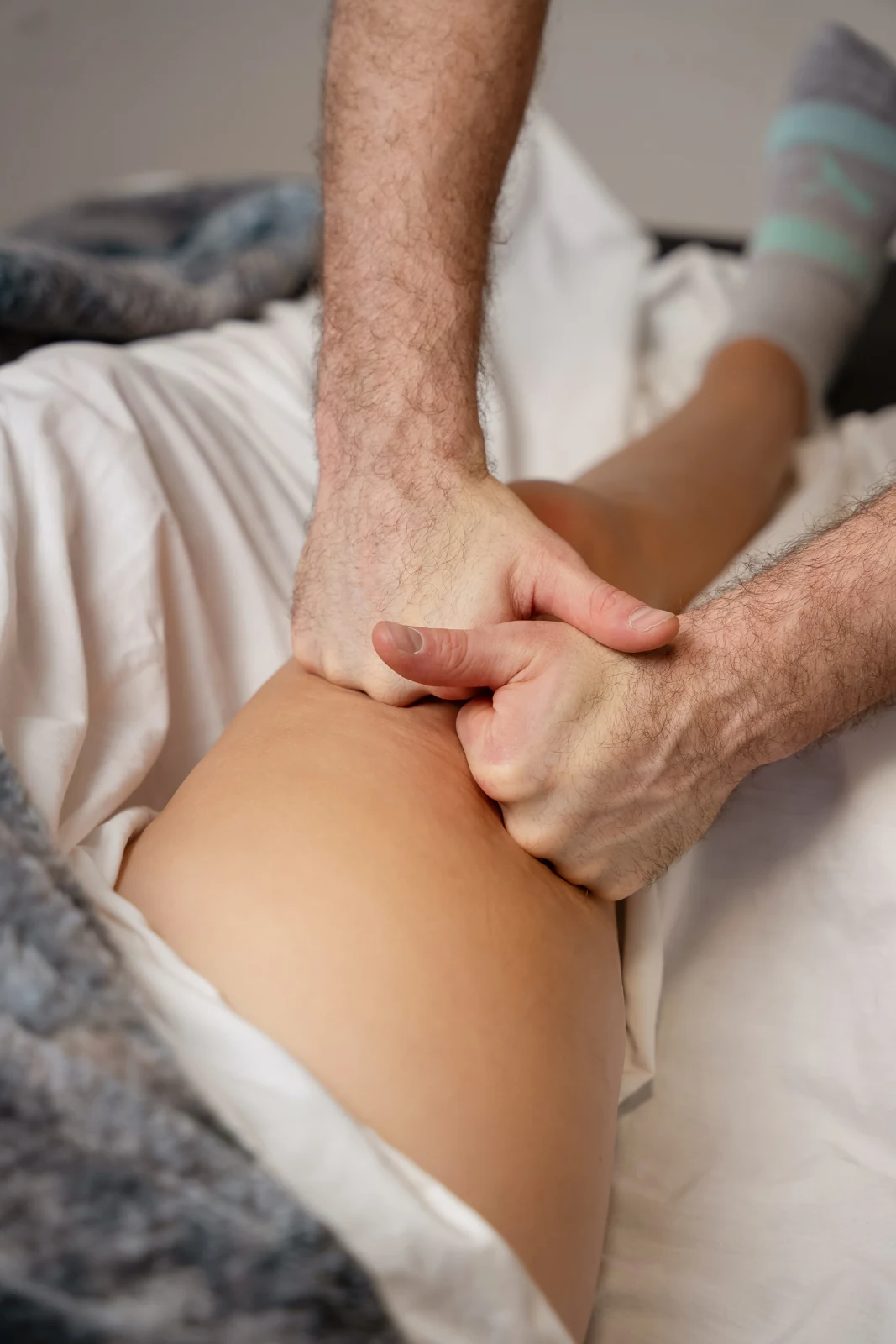
Targeted Massage for Pain & Function
For associated muscular discomfort around the low back, hips or glutes, with positioning adapted to what feels comfortable.
Discomfort when bending, walking, sitting or getting out of a chair can arise from different back and hip concerns. The activity that brings it on matters as much as the location.
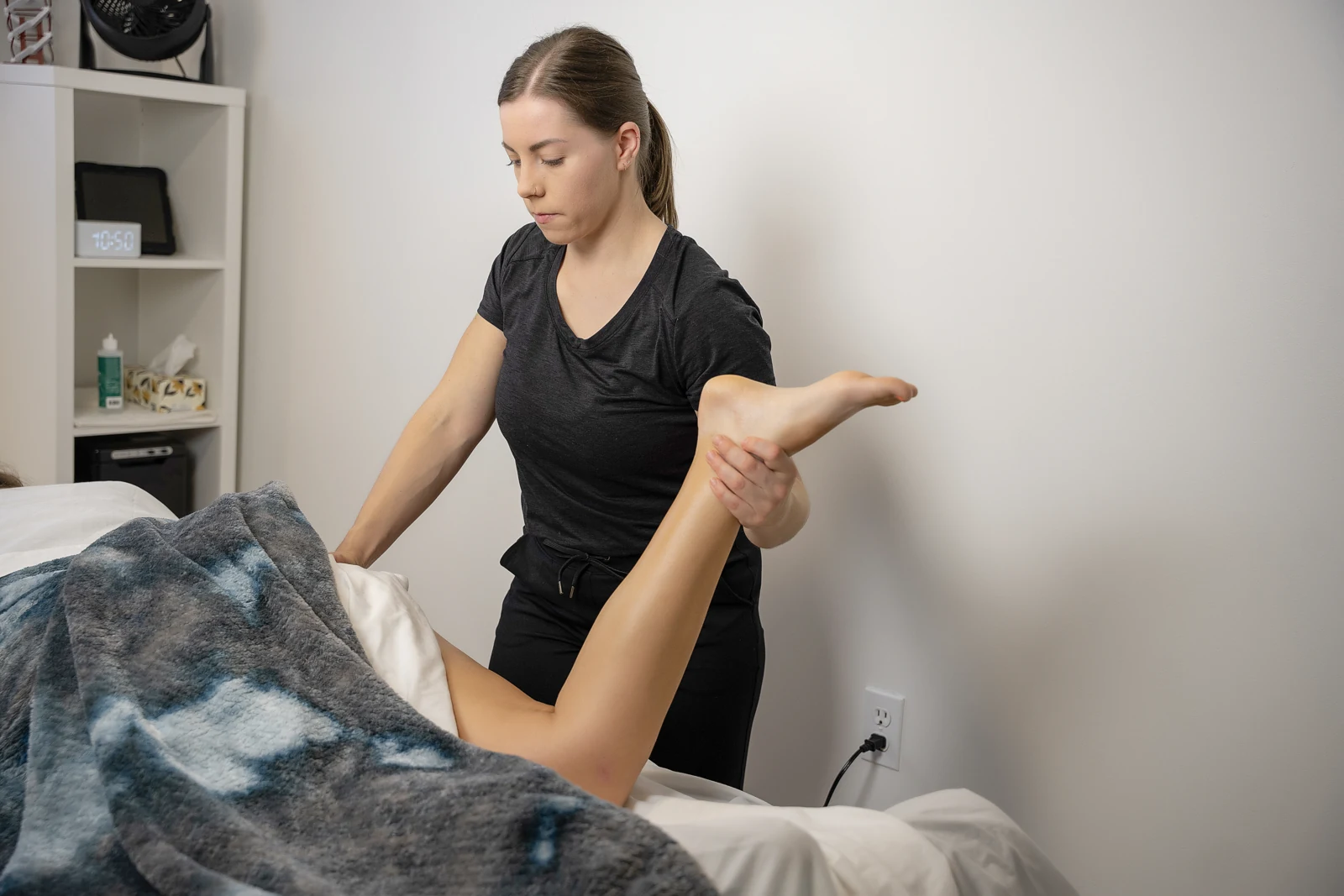
Low back and hip pain are descriptions of symptoms, not a diagnosis. Muscular strain, joint concerns and nerve-related symptoms can feel different and may overlap.
Pain in the buttock or leg is not automatically sciatica. Share whether symptoms travel, whether you have numbness or weakness, and what makes sitting, bending or walking harder.
Assessment considers your health history and the movements involved. Hands-on care may address associated muscular discomfort, while movement-focused work can explore tasks that remain difficult.
Your assessment may include both your low back and hips, depending on your symptoms and the movements involved.
This does not mean every sore back needs the same treatment or that hip tightness explains every back problem. It means your therapist considers the areas and activities relevant to your individual concerns.
Treatment may focus on muscular discomfort, explore broader structural restrictions, or include learning new ways to coordinate movement.
Care focuses on the muscular and movement concerns relevant to your symptoms. Explore the service pages for appointment details and what to expect.
For associated muscular discomfort around the low back, hips or glutes, with positioning adapted to what feels comfortable.
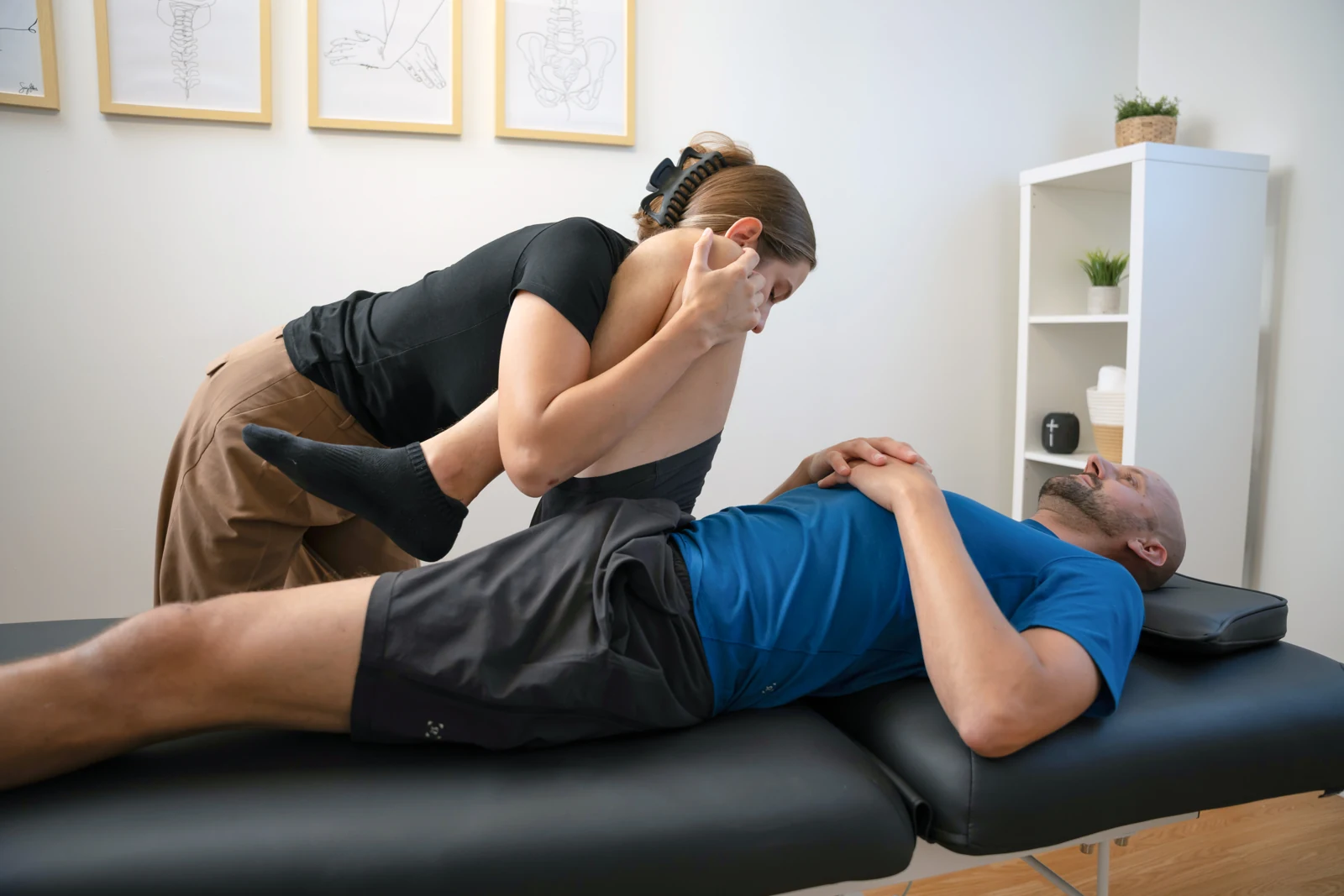
For manual assessment of relevant back and hip restrictions and how they affect comfortable movement.
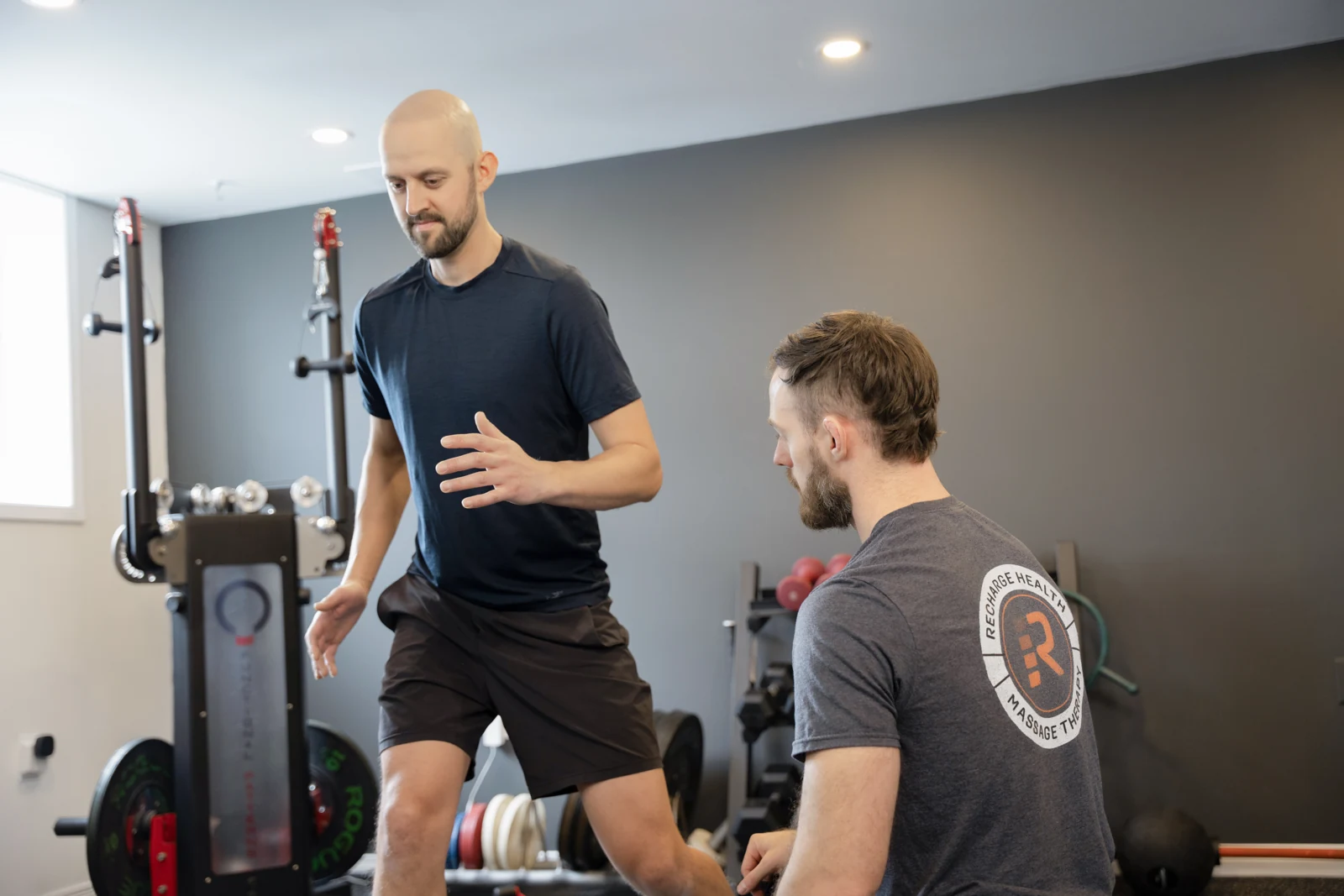
For an active approach to bending, walking or lifting patterns that remain restricted or difficult to coordinate.
Tell your therapist what you want to do more comfortably. “I want to walk for longer” or “I struggle to lift my child” gives us a practical starting point for assessment and follow-up.
At later visits, share what changed, how long any improvement lasted and which activities remain difficult. Treatment can then be adapted to your response.
Choose Targeted Massage if you want focused treatment for muscular discomfort. Choose osteopathy if you prefer a whole-body manual approach. Integrative Functional Massage is an option if you want to combine hands-on care with active movement retraining. Assessment helps determine whether your chosen treatment is appropriate.
Yes, when those areas are relevant and you consent to treatment. Your therapist will explain the proposed areas, positioning and draping before proceeding. You can ask questions or change your preferences at any time.
Tell us about any diagnosis, radiating symptoms, numbness or weakness before treatment. Leg pain does not always have the same cause, and assessment may indicate that you need medical evaluation before manual treatment.
Seek emergency care for back pain with new bladder or bowel changes, numbness around the groin or saddle area, or symptoms affecting both legs such as weakness or numbness.
You do not need to arrive with your own explanation for muscular discomfort. Share your symptoms and any relevant medical history so your therapist can assess whether care is appropriate. New, worsening or unexplained symptoms may require assessment by another healthcare provider.
Whether your priority is focused relief or a more active approach to recurring restrictions, start with an appointment that reflects your goals.