
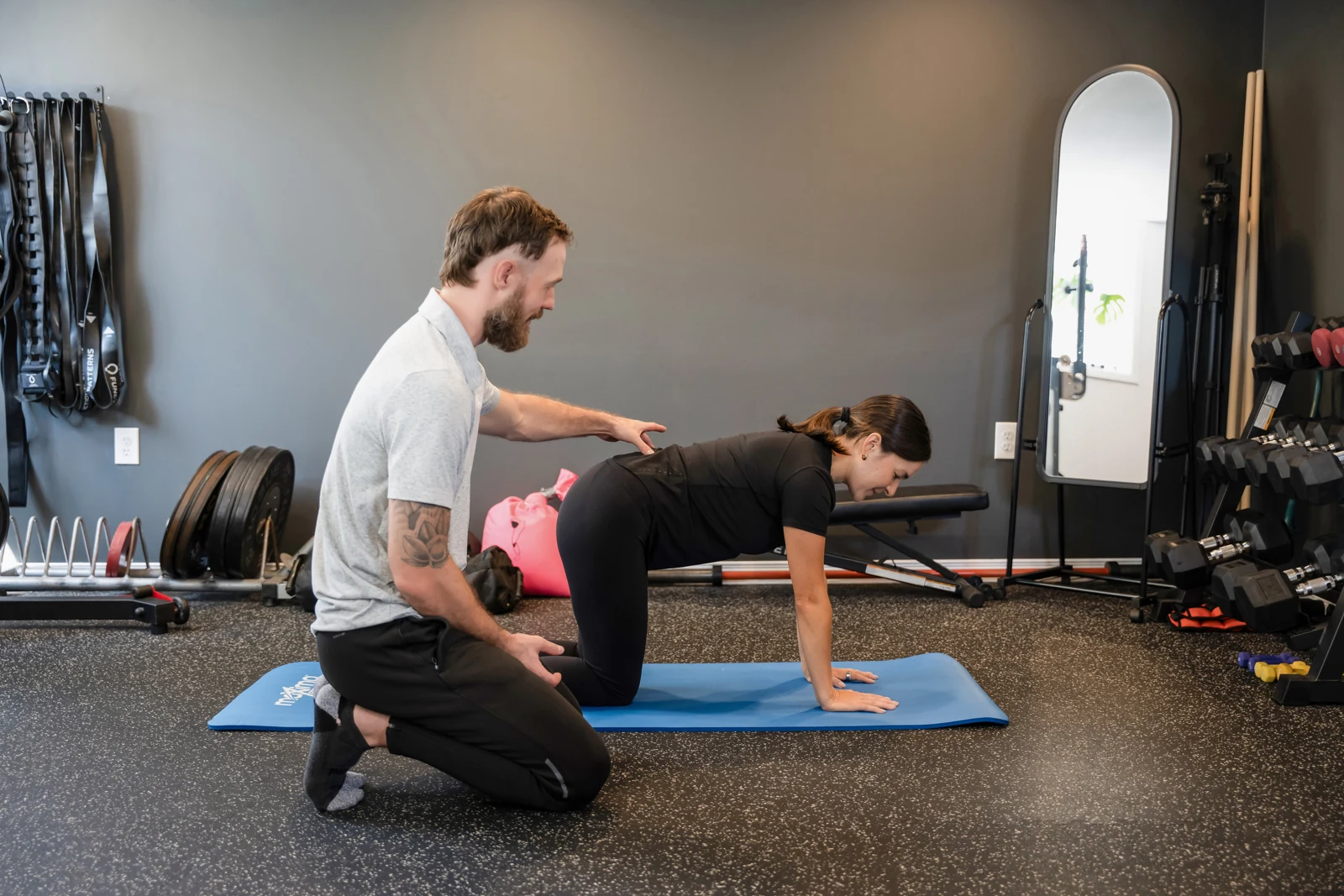
Integrative Functional Massage
For strength, coordination and learning to control movement within a suitable range. Assessment considers instability, fatigue and any EDS-related precautions.
Extra joint range does not always mean a problem. When it comes with discomfort, instability or repeated injuries, the focus may be strength and coordination rather than more flexibility.
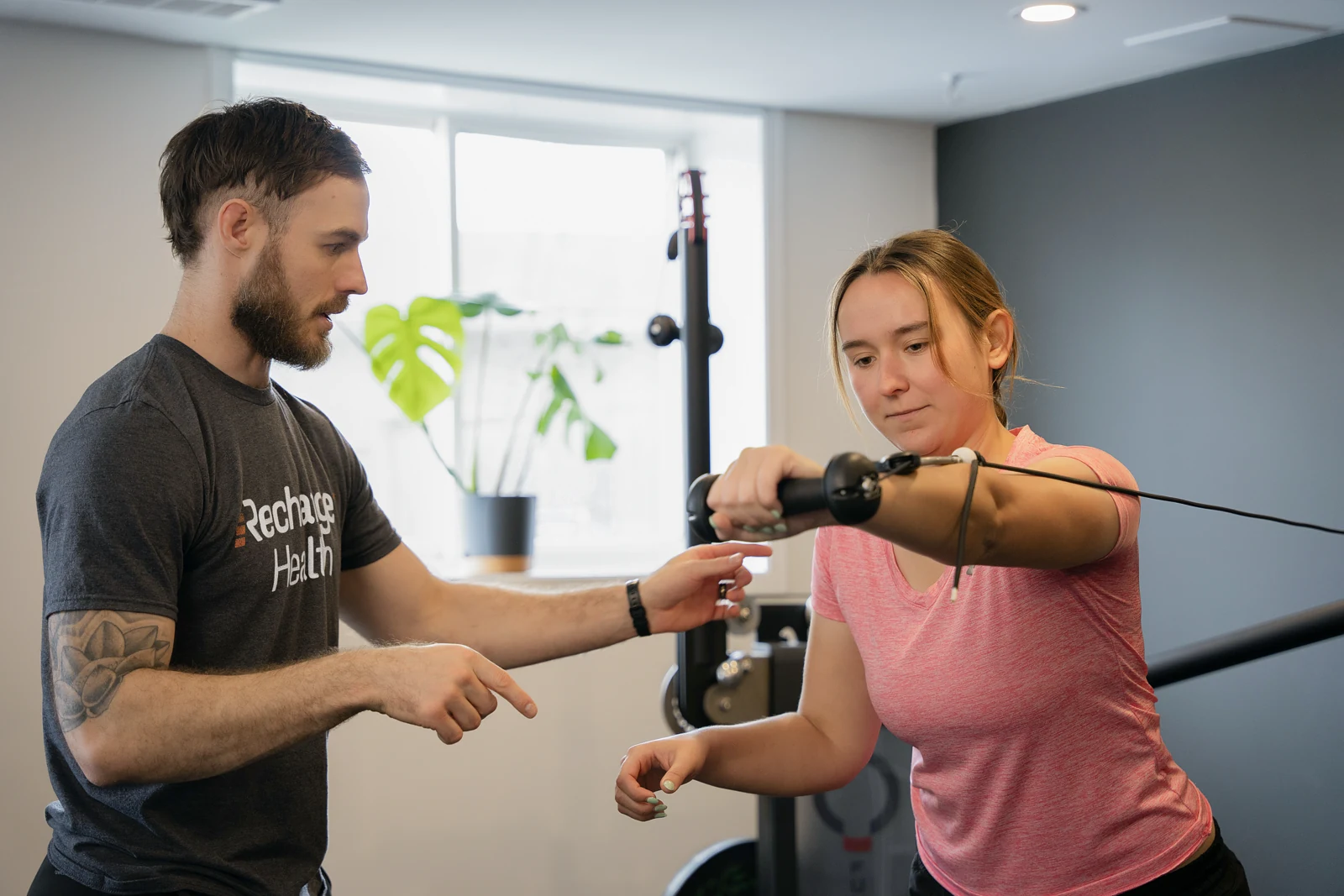
Hypermobility means a joint moves beyond the range usually expected. Some people have no difficulties; others experience pain, fatigue, instability or recurring sprains.
Hypermobility spectrum disorder and Ehlers-Danlos syndromes involve additional considerations. A diagnosis can guide precautions, but suitability for movement work still depends on your individual history and presentation.
Feeling tight does not necessarily mean a hypermobile joint needs more range. Assessment can explore control within a comfortable range and tasks where the joint feels less supported.
Supporting a joint involves more than producing force. It also involves controlling position and coordinating movement with the rest of the body.
An active plan can work toward:
These are goals for supporting stability and reducing injury risk, rather than a guarantee that injuries will not occur.
Care focuses on the muscular and movement concerns relevant to your symptoms. Explore the service pages for appointment details and what to expect.
For strength, coordination and learning to control movement within a suitable range. Assessment considers instability, fatigue and any EDS-related precautions.
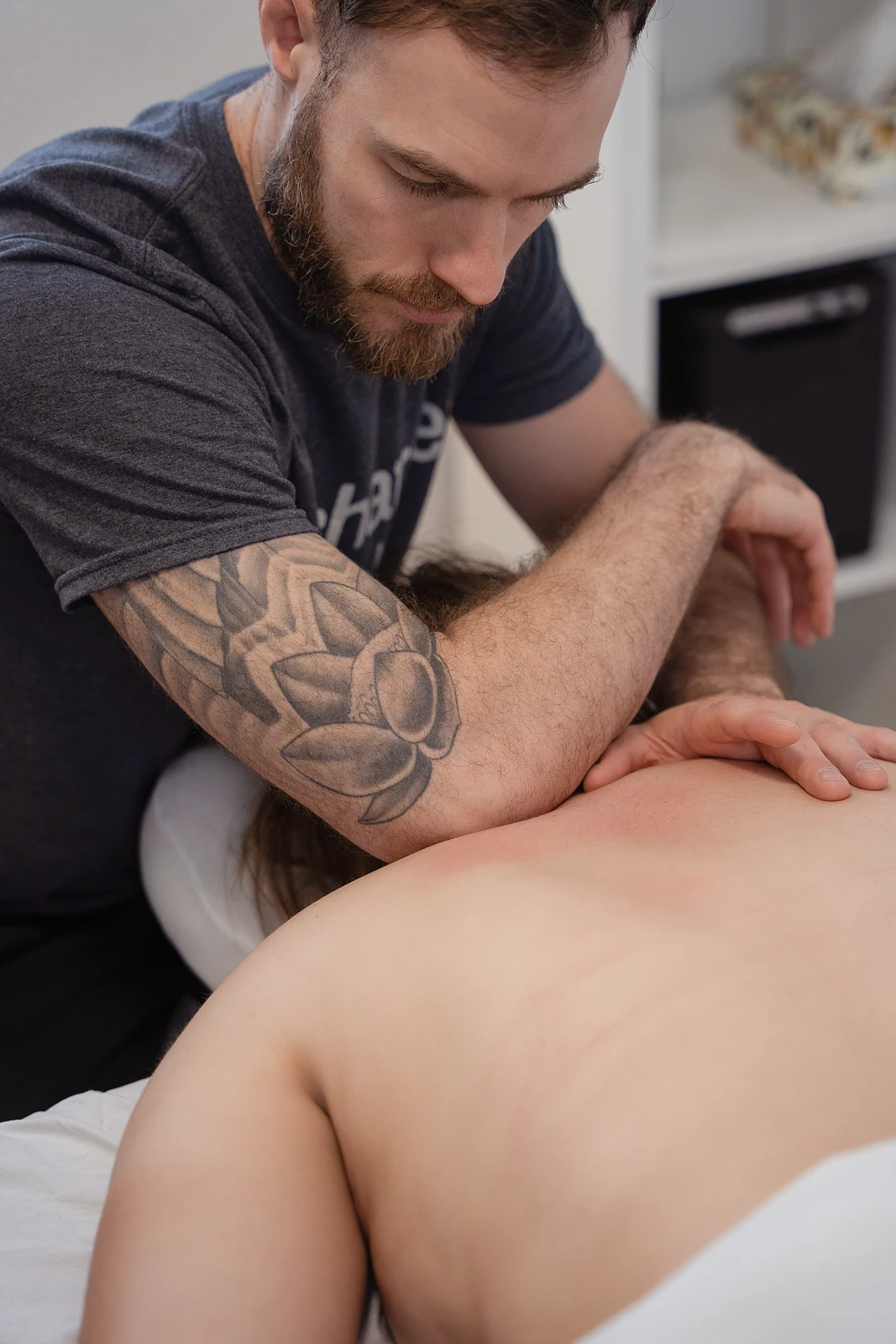
For associated muscular discomfort, using pressure and positioning that respect joint stability. Massage alone does not build active joint control.
An exercise should be adapted to the person doing it.
Your starting point may involve smaller ranges, lower resistance or simpler movements. Progression should reflect control, comfort and your response afterward.
Tell your practitioner if a position feels unstable, a joint feels as though it is slipping or an activity causes symptoms that persist. More range or more resistance is not automatically progress.
Integrative Functional Massage may also be suitable for people with hypermobility spectrum disorder (HSD) or Ehlers-Danlos syndrome (EDS), particularly hypermobile EDS, who want an active approach to strength, joint control and coordination.
Assessment considers your diagnosis, joint stability, fatigue, previous injuries and any recommendations from your healthcare team. Hands-on techniques, resistance, movement range and pacing are adapted to your needs.
EDS includes different subtypes and precautions, so suitability is individual. Share any medical restrictions before beginning treatment.
No single approach fits everyone. The assessment considers your symptoms, health history, current abilities and goals before recommending a plan.
A feeling of tightness does not automatically mean a joint needs more range. Discuss it during assessment rather than repeatedly pushing into your most flexible positions.
Massage alone does not build the strength and coordination involved in active joint control. It may have a supporting role for associated muscular discomfort.
This is why we emphasize the movement component of Integrative Functional Massage for stability-related goals.
Yes. An EDS diagnosis does not automatically rule out Integrative Functional Massage. Begin with a Pain & Movement Assessment with Massage Therapy so we can discuss your goals and determine an appropriate starting point.
If you have vascular EDS or specific medical restrictions, contact us before booking so we can review the guidance from your specialist.
No treatment can guarantee injury prevention. The aim is to support strength, control and coordination while respecting your individual limits.
Start with an assessment focused on your current abilities and the movements you want to feel stronger and more controlled performing.