
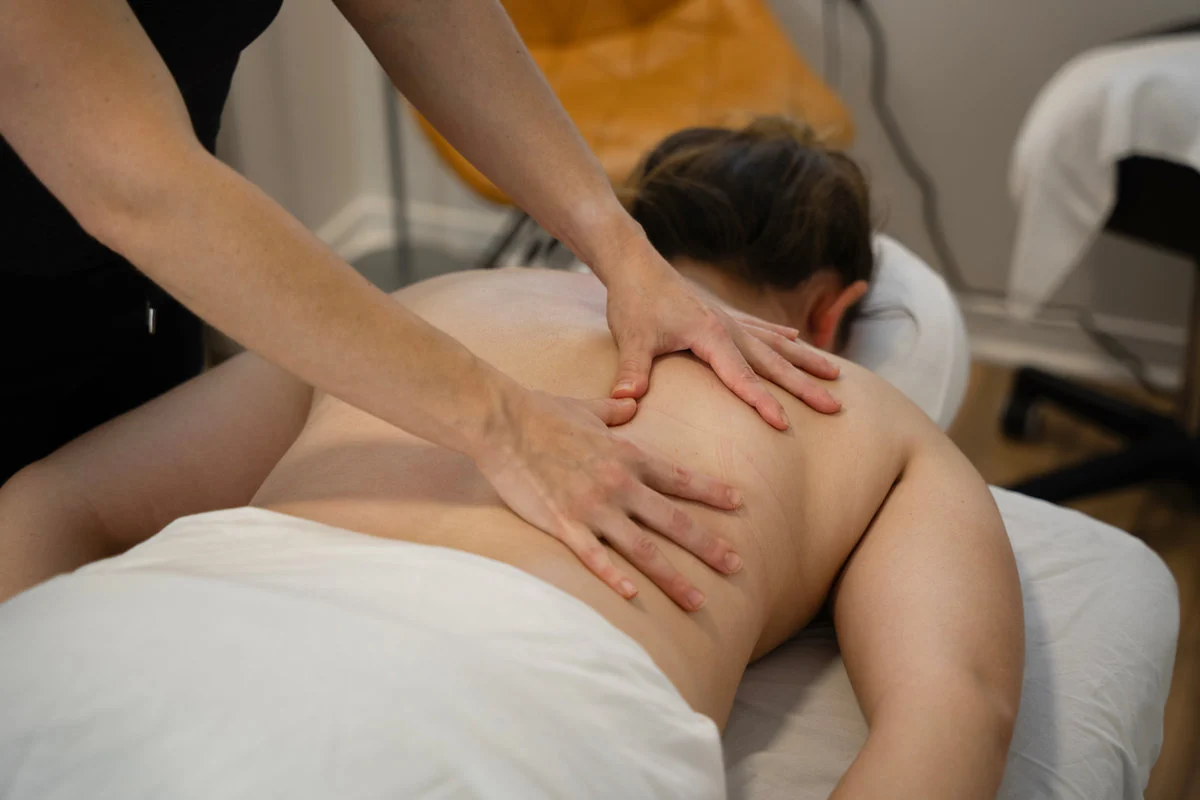
Restorative Massage for Stress & Tension
For overall physical tension that makes it difficult to settle into rest. This is supportive care, not a treatment for insomnia.
Trouble falling asleep, repeated waking and unrefreshing sleep can have several causes. Physical tension may add to the difficulty, but a relaxation appointment is not a diagnosis or treatment plan for insomnia.
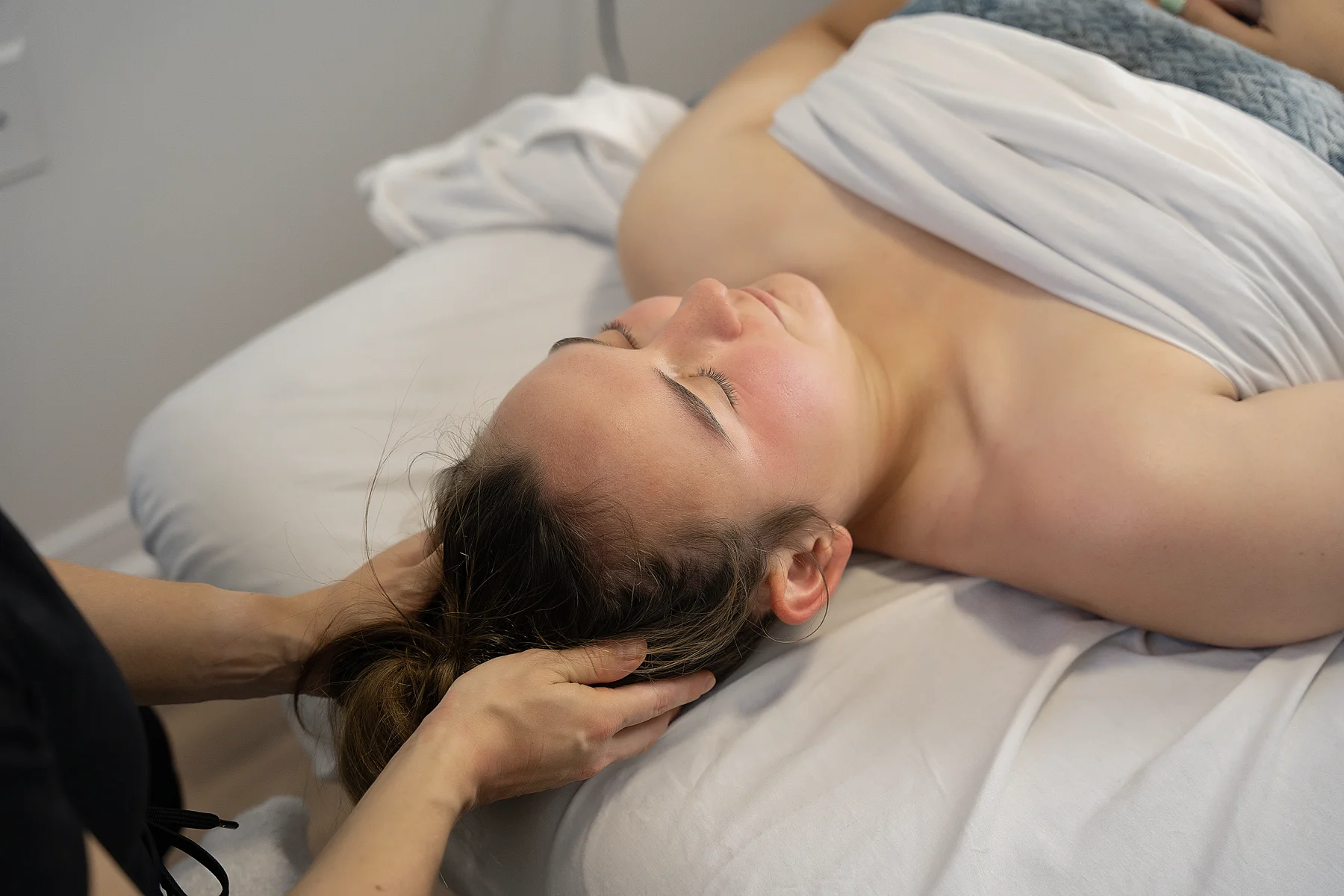
Insomnia involves difficulty getting to sleep, staying asleep or waking earlier than intended, with effects during the day. Pain, stress, habits, medication and other health concerns may be relevant.
A sore neck against the pillow or a clenched jaw can make settling uncomfortable. Addressing those symptoms may support rest without resolving every reason for disrupted sleep.
This page explains where bodywork may fit. Persistent sleep problems, daytime impairment or breathing concerns during sleep deserve healthcare assessment.
Tension may make it difficult to find a comfortable position or settle after the day, but reducing it does not establish that a sleep disorder has been treated.
Use comfort and tension as goals for bodywork, and track sleep concerns separately with your healthcare provider. The service pages explain the restorative appointment experience.
Care focuses on the muscular and movement concerns relevant to your symptoms. Explore the service pages for appointment details and what to expect.
For overall physical tension that makes it difficult to settle into rest. This is supportive care, not a treatment for insomnia.
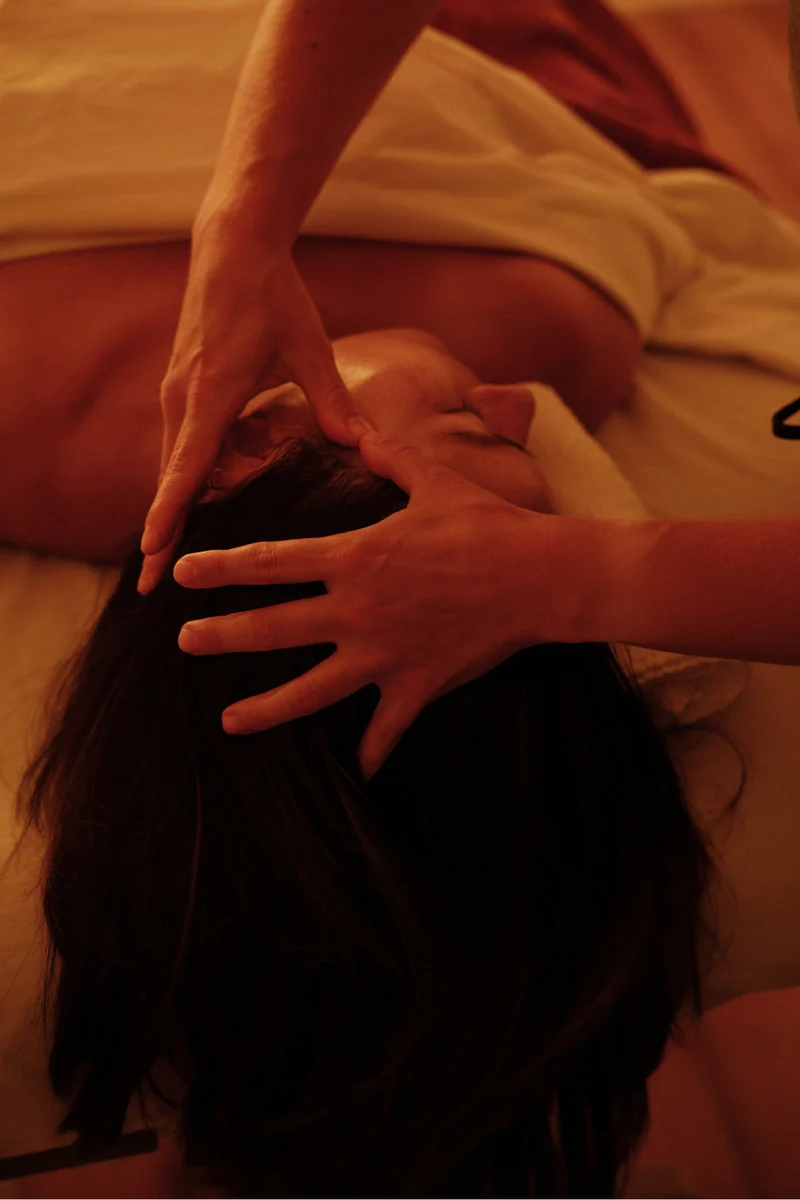
For jaw clenching or facial, scalp and neck tension that makes resting uncomfortable.
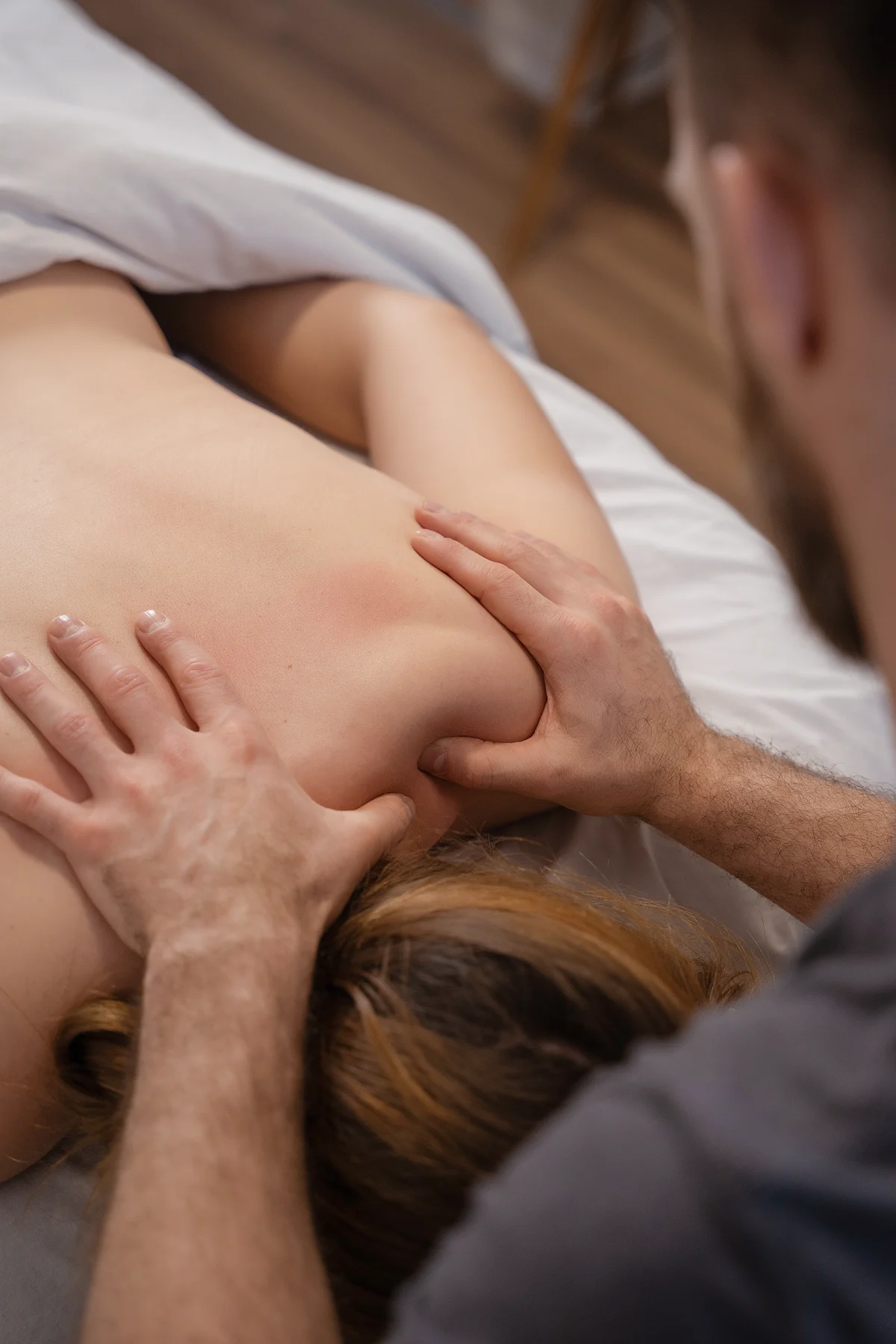
For a particular muscular area that makes your usual sleeping positions uncomfortable.
If sleep difficulties persist, affect your daytime functioning or involve loud snoring, gasping or pauses in breathing, speak with your healthcare provider.
Treatment for ongoing insomnia may include cognitive behavioural therapy for insomnia, known as CBT-I. Massage can sit alongside appropriate care without replacing it.
Massage may help you relax and address physical tension, but we do not present it as a cure for insomnia.
Persistent sleep difficulties deserve assessment so care can address the factors involved.
Choose a time that allows you to attend without rushing. An evening appointment may suit your routine, but there is no requirement to book immediately before bed.
No. Restorative Massage can use lighter or moderate pressure, adjusted to your comfort. Deeper pressure is not a requirement for relaxation.
Explore Therapeutic Facial Massage for dedicated time through the face, jaw, scalp and neck. Mention grinding, painful clicking or dental recommendations during your assessment.
Responses vary. You may feel more relaxed or comfortable, but a particular sleep outcome cannot be guaranteed. Tell your therapist what you notice afterward so future care can reflect your response.
Start with the tension or discomfort you want help with, and choose an appointment that reflects that priority.